Traditional Roots Meet Modern Tech
Chennai is a city of stark contrasts, seamlessly blending deep cultural roots with sprawling automotive and IT corridors. The rental market reflects this duality. You have the conservative, established neighborhoods of Central and South Chennai, contrasted against the massive, modern high-rises stretching along the IT highways.
Navigating the Chennai rental market requires an understanding of its unique cultural preferences and stringent financial norms.
The Major Rental Corridors
1. The IT Expressway: OMR (Old Mahabalipuram Road)
OMR is the lifeline of Chennai's tech industry, housing massive IT parks like TIDEL Park, SIPCOT, and ELCOT. The stretch from Perungudi through Thoraipakkam to Sholinganallur is packed with modern apartment complexes. This area is highly preferred by young professionals due to its proximity to work, though it is quite far from the traditional city center.
2. The Automotive & Manufacturing Hub: GST Road
Areas along the Grand Southern Trunk (GST) Road, such as Tambaram and Chromepet, cater to professionals working in the automotive and manufacturing SEZs (like Mahindra World City). The housing here is a mix of independent houses and affordable apartment complexes.
3. The Premium Traditional Hubs: Adyar, Besant Nagar, Mylapore
These are the established, culturally rich neighborhoods of Chennai. Lined with trees, temples, and beaches, these areas command a premium rent. Landlords here are often conservative, preferring families over bachelors, and the housing stock consists largely of independent houses and smaller builder-floor apartments.
Chennai\'s Heavy Financial Norms
The Notorious Security Deposit
Similar to Bengaluru, Chennai is infamous for its demanding security deposit structure. In established areas (like Adyar or Anna Nagar), landlords routinely demand a massive 10 months of rent as a security deposit. Along the OMR IT corridor, things are slightly more relaxed, but you should still expect to pay a 5 to 6-month deposit. Negotiating this down requires skill, and often, a hefty corporate background.
The Strict 11-Month Agreement
In Chennai, the 11-month unregistered rental agreement is the absolute standard. Landlords strongly resist executing leases for 12 months or longer to avoid mandatory registration under the Registration Act and to bypass any complications related to the Tamil Nadu Regulation of Rights and Responsibilities of Landlords and Tenants Act.
At the end of the 11 months, the agreement is either renewed with a standard 5% to 8% rent escalation, or the tenant vacates.
Cultural Nuances in Renting
Chennai has a conservative rental culture, especially outside the tech corridors.
- Dietary Restrictions: It is not uncommon for landlords in traditional areas (like Mylapore or West Mambalam) to strictly prohibit the cooking or consumption of non-vegetarian food on the premises.
- Family Preference: Bachelors and spinsters often face difficulty renting in family-dominated standalone buildings. Gated communities on OMR are far more accommodating to single working professionals.
| Locality Type | Approx. Rent for 2BHK | Typical Deposit Required |
|---|---|---|
| OMR (Thoraipakkam / Sholinganallur) | ₹18,000 - ₹25,000 | 5 - 6 Months |
| Adyar / Besant Nagar | ₹35,000 - ₹50,000 | 8 - 10 Months |
| Velachery / Tambaram | ₹15,000 - ₹22,000 | 6 - 8 Months |
Frequently Asked Questions (FAQ)
Can a landlord legally demand a 10-month deposit in Chennai?
The new Tamil Nadu Tenancy Act technically restricts security deposits to a maximum of 3 months' rent. However, enforcement is weak, and the market practice of 6-10 months largely prevails through unregistered 11-month agreements.
Are painting charges deducted when vacating in Chennai?
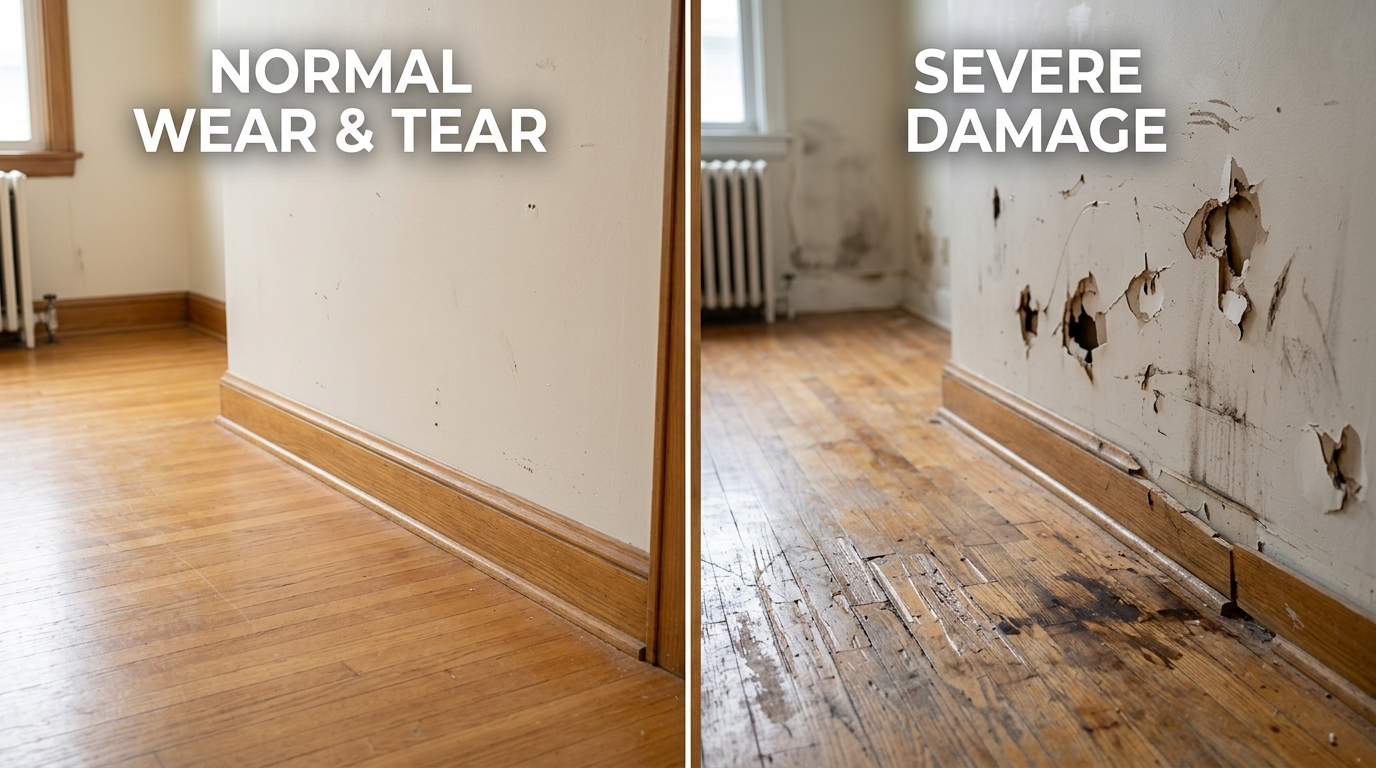
Yes, almost universally. Irrespective of the condition of the house, Chennai rental agreements usually include a clause allowing the landlord to deduct one month's rent for painting and cleaning before refunding the hefty deposit.