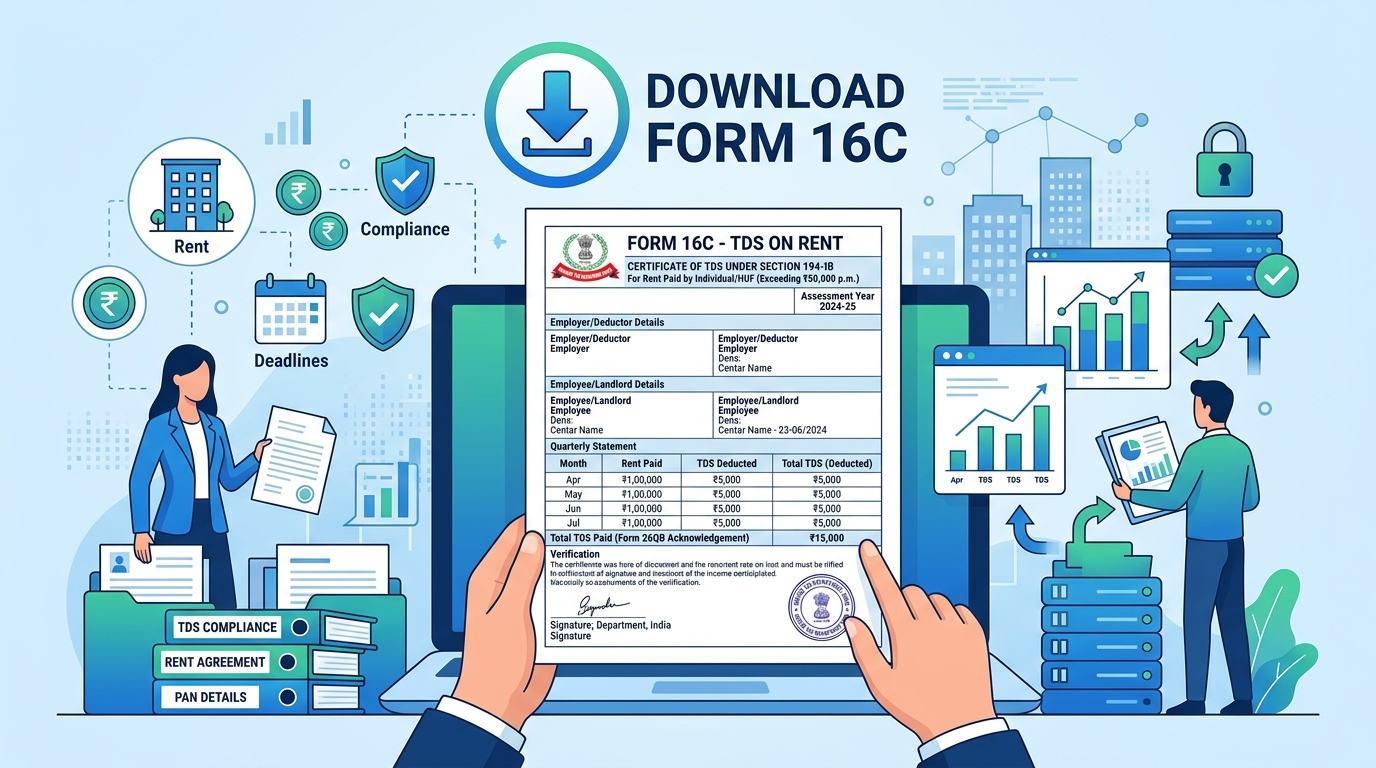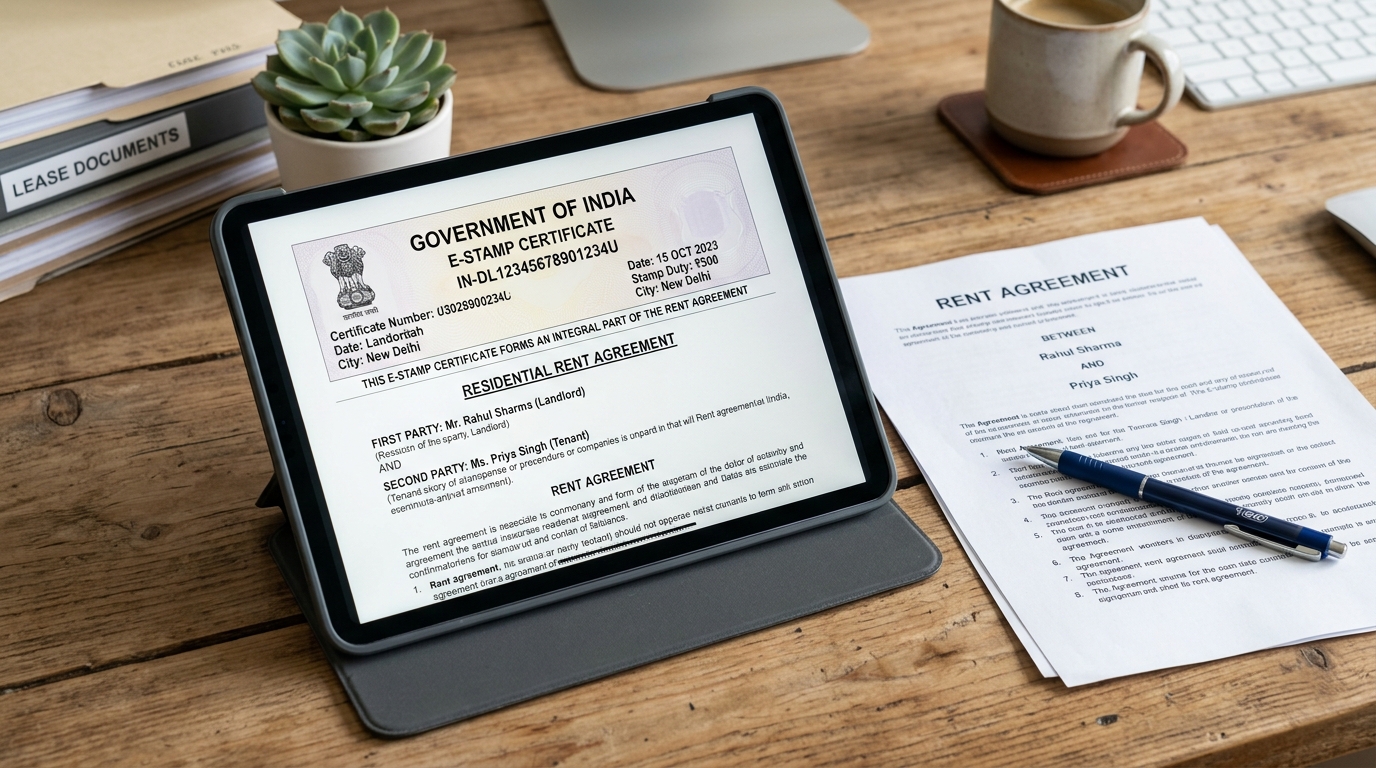
When multinational corporations, IT enterprises, and startups arrange residential accommodation for their executives and relocated staff, they typically choose between two leasing structures: a Corporate Lease Agreement or a Personal Individual Lease Agreement. While both provide housing to the employee, the legal liability, taxation, GST implications, and security deposit management differ radically.
For landlords, corporate leases offer guaranteed rental payments and high-caliber tenants, but introduce corporate compliance and tax deduction (TDS) requirements. For employees and HR managers, choosing the right lease format optimizes House Rent Allowance (HRA) tax benefits and corporate expense accounting. Here is the complete comparative guide.
1. Detailed Comparison: Corporate Lease vs Personal Lease
| Parameter | Corporate Lease Agreement | Personal Individual Lease |
|---|---|---|
| Signing Parties | Landlord + Company Authorized Signatory (HR / Admin). Employee is listed as the 'Permitted Occupant'. | Landlord + Individual Tenant (Employee). |
| Rent Payment Source | Paid directly from Company's corporate bank account. | Paid directly from Employee's personal bank account. |
| Default Liability | Company bears 100% legal and financial liability for rent, damages, and lease terms. | Individual tenant is personally liable. |
| TDS on Rent (Income Tax) | Mandatory 10% TDS under Section 194-I if annual rent exceeds ₹2.40 Lakhs. Company issues Form 16A quarterly. | 5% TDS under Section 194-IB ONLY if monthly rent exceeds ₹50,000. No TDS for rent below ₹50k. |
| GST Applicability (Post-2022) | 18% GST Applicable under Reverse Charge Mechanism (RCM) since the tenant is a registered corporate entity. | 0% GST (Exempt) for unregistered individuals renting for residential dwelling purposes. |
| Employee Transfer Flexibility | High: If the executive relocates, company can substitute another employee occupant without terminating lease. | Low: If employee leaves or transfers, lease must be formally terminated with notice. |
2. Taxation & GST Dynamics You Must Know
The July 2022 GST Council notification introduced major changes to residential rental taxation in India:
1. GST on Corporate Leases (Reverse Charge Mechanism - RCM)
When a corporate entity registered under GST leases a residential property for its employees, directors, or guest houses, GST at 18% is applicable on the rental consideration under RCM. The company must pay this 18% GST directly to the government and claim Input Tax Credit (ITC) subject to applicable business use rules.
2. Tax Deducted at Source (TDS) Compliance for Landlords
Landlords entering corporate lease contracts must be prepared for formal tax deductions:
- The corporate tenant will deduct 10% TDS under Section 194-I from monthly rent payments and deposit it against the landlord's PAN.
- The company will issue quarterly Form 16A TDS Certificates.
- Landlords can claim this TDS credit while filing their annual Income Tax Return (ITR).
3. Pros & Cons for Landlords
- Guaranteed on-time rent payment via corporate ERP/banking.
- Zero risk of tenant squatting; companies value corporate reputation.
- Higher willingness to pay premium security deposits and market rents.
- Longer lease tenures (24 to 36 months with fixed escalation).
- Mandatory 10% TDS deduction reduces immediate monthly cash-in-hand.
- Rigorous legal vetting by corporate legal teams (lengthy agreement drafts).
- Occupant turnover: Different company personnel may occupy the house across the tenure.