Renting out property in India is a lucrative investment, but it comes with a complex set of legal obligations and financial risks. Landlords often face nightmare scenarios where tenants refuse to vacate, delay rent payments for months, or cause severe, irreversible property damage.
Just as the law heavily protects tenants from arbitrary eviction, it also provides robust mechanisms for landlords to protect their hard-earned assets. The key to being a successful, stress-free landlord is balancing your strict legal rights with your statutory responsibilities. This comprehensive guide outlines the fundamental rights and duties of property owners under Indian law, including the Transfer of Property Act, state Rent Control Acts, and the Model Tenancy Act.
1. The Core Legal Rights of a Landlord
As the legal owner of the property, you retain ultimate authority over your asset, even when it is occupied by a tenant. Your primary rights revolve around receiving fair compensation and reclaiming the property when legally justified.
Right to Receive Timely Rent
You have the absolute right to receive the agreed-upon rent on or before the due date stipulated in the rental agreement. If a tenant consistently defaults on rent, it constitutes a primary legal ground for eviction across all state Rent Control Acts. You also have the right to charge late fees or penal interest if the tenant delays payment, provided this clause was clearly stated in the signed contract.
Right to Evict (For Valid Cause)
While you cannot evict a tenant arbitrarily, you have the statutory right to initiate formal eviction proceedings under specific legal circumstances:
- Non-Payment of Rent: Usually applicable if rent is unpaid for more than two consecutive months, despite written reminders.
- Breach of Contract: Violation of any crucial clause, such as using a residential property for commercial activities, or running an illegal business from the premises.
- Illegal Subletting: If the tenant rents out a portion or the entirety of the property to a third party (like setting up an unauthorized PG or Airbnb) without your explicit written consent.
- Bona Fide Requirement: If you genuinely need the property back for your own occupation or for a family member, and you do not possess suitable alternative accommodation in the same city.
- Structural Changes: If the tenant makes permanent structural alterations without your permission, causing damage to the property\'s integrity.
Right to Periodically Inspect the Property
You have the right to ensure your property is being maintained properly. However, this right is balanced against the tenant\'s right to privacy and peaceful possession. You can inspect the property, but you must provide reasonable advance notice (typically 24 hours) and visit during reasonable daylight hours. Unannounced visits are legally considered trespassing.
2. Essential Landlord Responsibilities
Being a landlord is not just about collecting rent on the 5th of every month. You have serious legal obligations to ensure the property is habitable and safe.
| Responsibility | Legal Expectation & Consequence |
|---|---|
| Habitable Condition | You must hand over the property in a safe, habitable condition. This means functioning plumbing, safe electrical wiring, and a structurally sound roof. |
| Major Structural Repairs | While tenants handle day-to-day minor fixes, landlords are legally responsible for major structural repairs (e.g., fixing a leaking roof, replacing broken external pipes). If you fail to do so, the tenant can legally execute the repairs and deduct the cost from the rent. |
| Property Taxes | The landlord is solely responsible for paying municipal property taxes. You cannot legally shift this burden to the residential tenant unless explicitly (and unusually) agreed upon in a commercial lease. |
| Issuing Rent Receipts | You are legally obligated to issue a signed rent receipt for every payment received, especially if the tenant pays in cash. Refusal to provide receipts is a violation of rent laws and IT rules. |
3. Managing the Security Deposit Correctly
The security deposit is not a bonus or advance rent; it is a trust fund held to cover specific, calculable damages or unpaid dues. According to emerging legal frameworks like the Model Tenancy Act, the maximum deposit for residential properties is capped at two months\' rent.
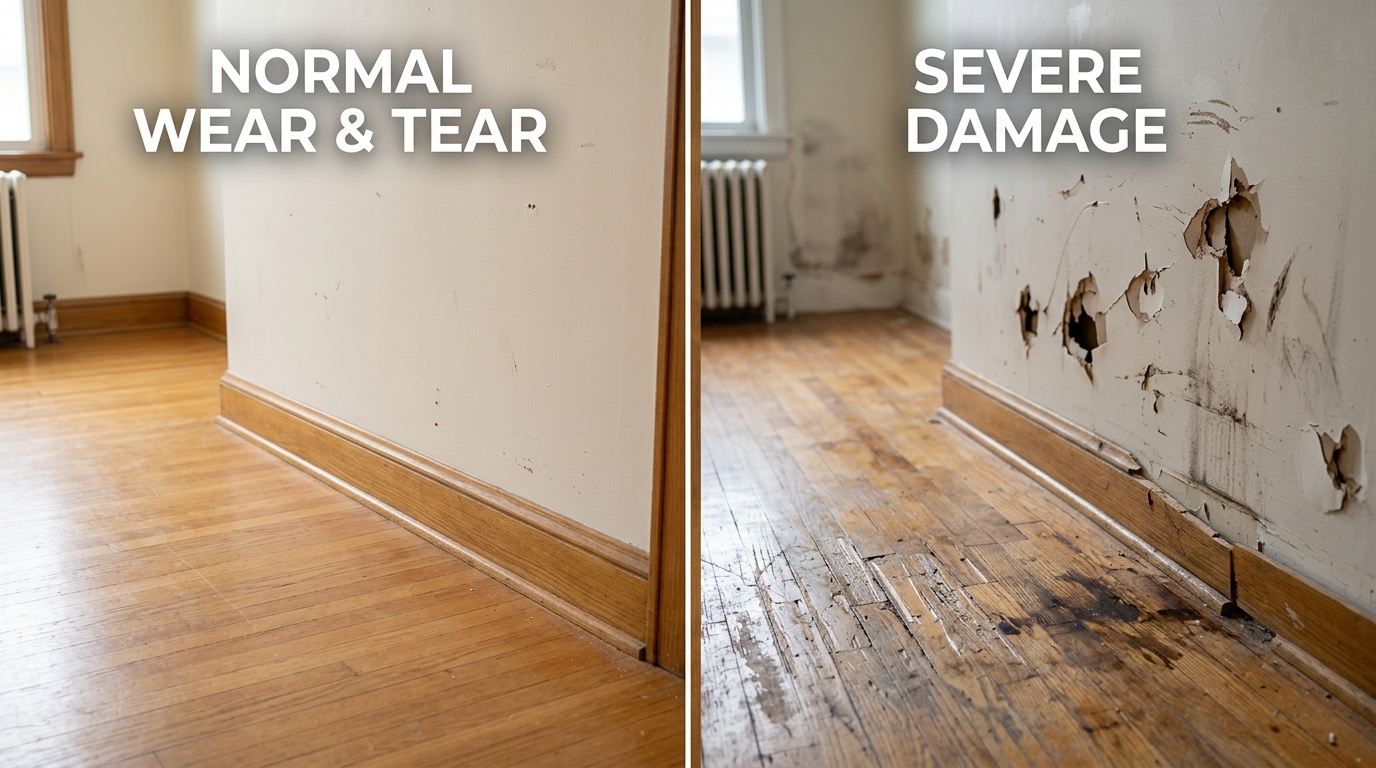
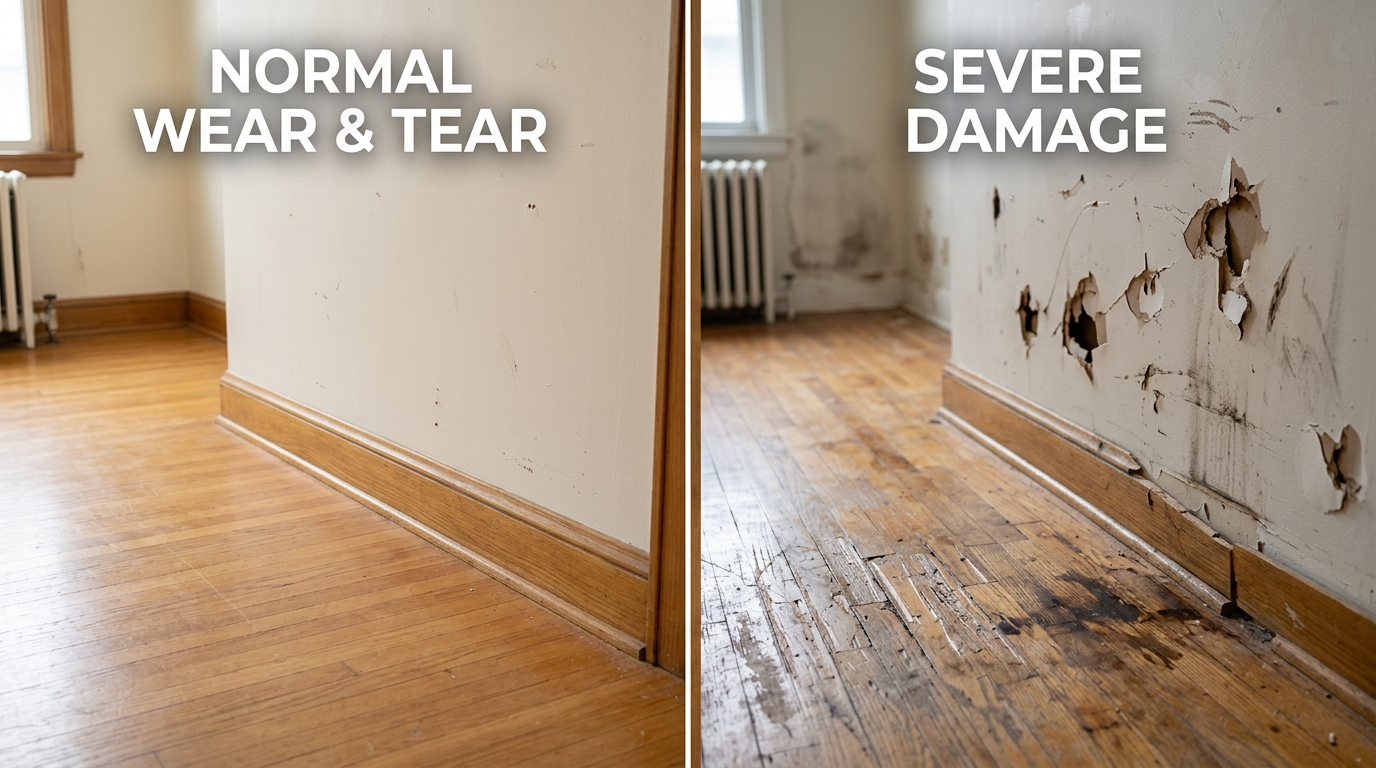
When the tenancy ends, you must refund the deposit promptly after the tenant hands over vacant possession. You are legally entitled to deduct unpaid rent, unpaid utility bills, or the exact cost of repairing damages caused by the tenant\'s negligence (e.g., broken windows, smashed tiles). However, you cannot deduct money for "normal wear and tear" (e.g., naturally faded paint or minor scuffs on the floor). If you intend to deduct a standard painting charge, it must be explicitly written into the signed rental agreement beforehand.
4. The Crucial Importance of Police Verification
One of your most critical responsibilities is submitting the tenant\'s details to the local police station before or immediately after they move in. Failing to complete tenant police verification is a punishable offense under Section 188 of the Indian Penal Code. If your tenant commits a crime or is involved in anti-national activities, you could face severe legal consequences for harboring them without verification. Most cities now allow this to be done online through citizen portals.
5. How to Handle a Tenant Who Refuses to Leave
If the lease has expired or the tenant has severely breached the contract, and they outright refuse to vacate, you must follow the due process of law. You cannot resort to "self-help eviction" tactics.
The correct legal process involves:
- Sending a formal, written legal notice through an advocate, clearly stating the legal grounds for eviction and providing a statutory notice period (usually 30 to 60 days).
- If the tenant still does not vacate after the notice period expires, filing an eviction suit in the competent Rent Court or Civil Court under the applicable state Rent Control Act.
- Obtaining a formal court order for eviction, which will be executed legally by court bailiffs or local police.
Conclusion
A successful tenancy relies on a foundation of clear communication and strict legal compliance. By understanding your rights and diligently fulfilling your responsibilities, you can protect your property asset while maintaining a professional, dispute-free relationship with your tenants. Always utilize a thoroughly drafted, registered rental agreement, conduct police verification, and document all communications in writing to safeguard your interests.