Understanding Normal Wear and Tear vs Property Damage
When you rent a home, one of the most common disputes between landlords and tenants arises at the end of the lease: what constitutes normal wear and tear and what counts as property damage? Understanding the difference can save you money and protect your security deposit. In this comprehensive guide, we will break down both concepts.
What is Normal Wear and Tear?
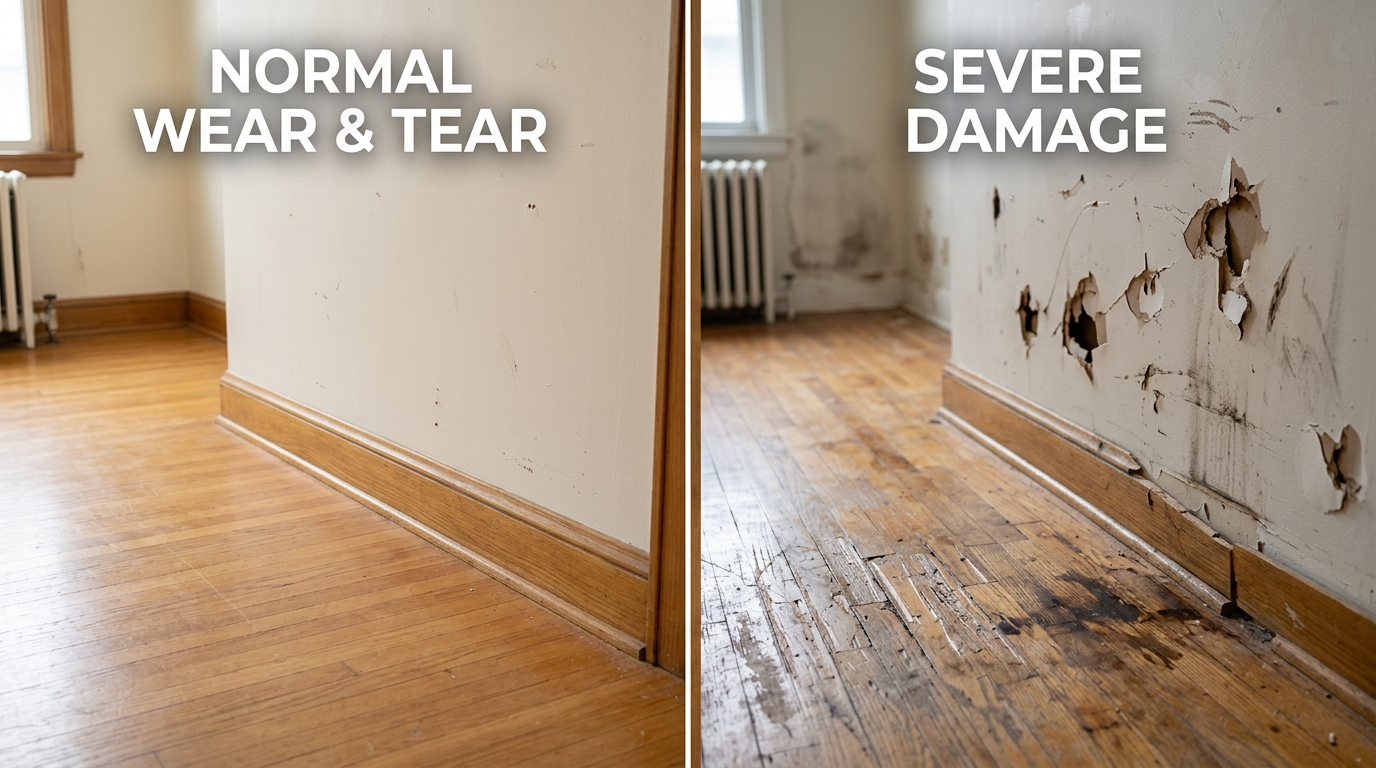
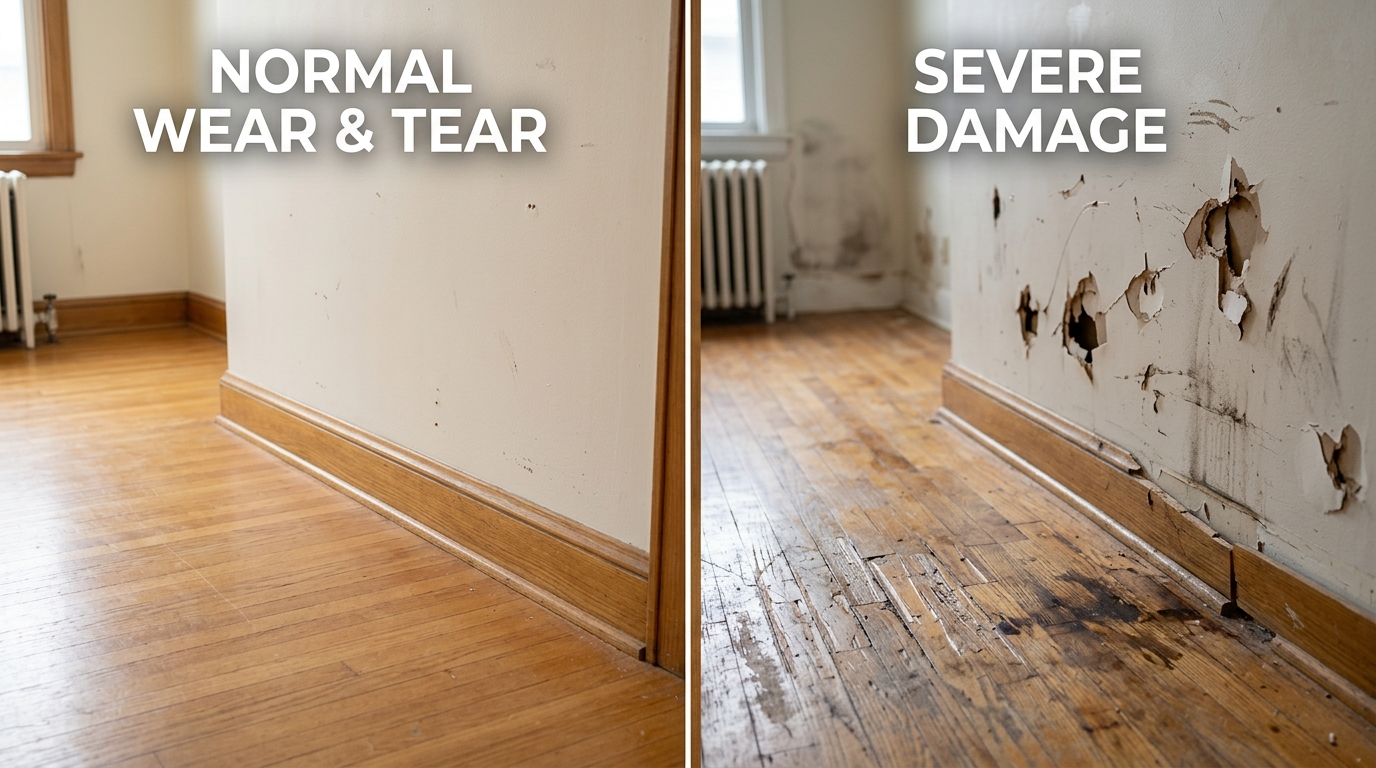
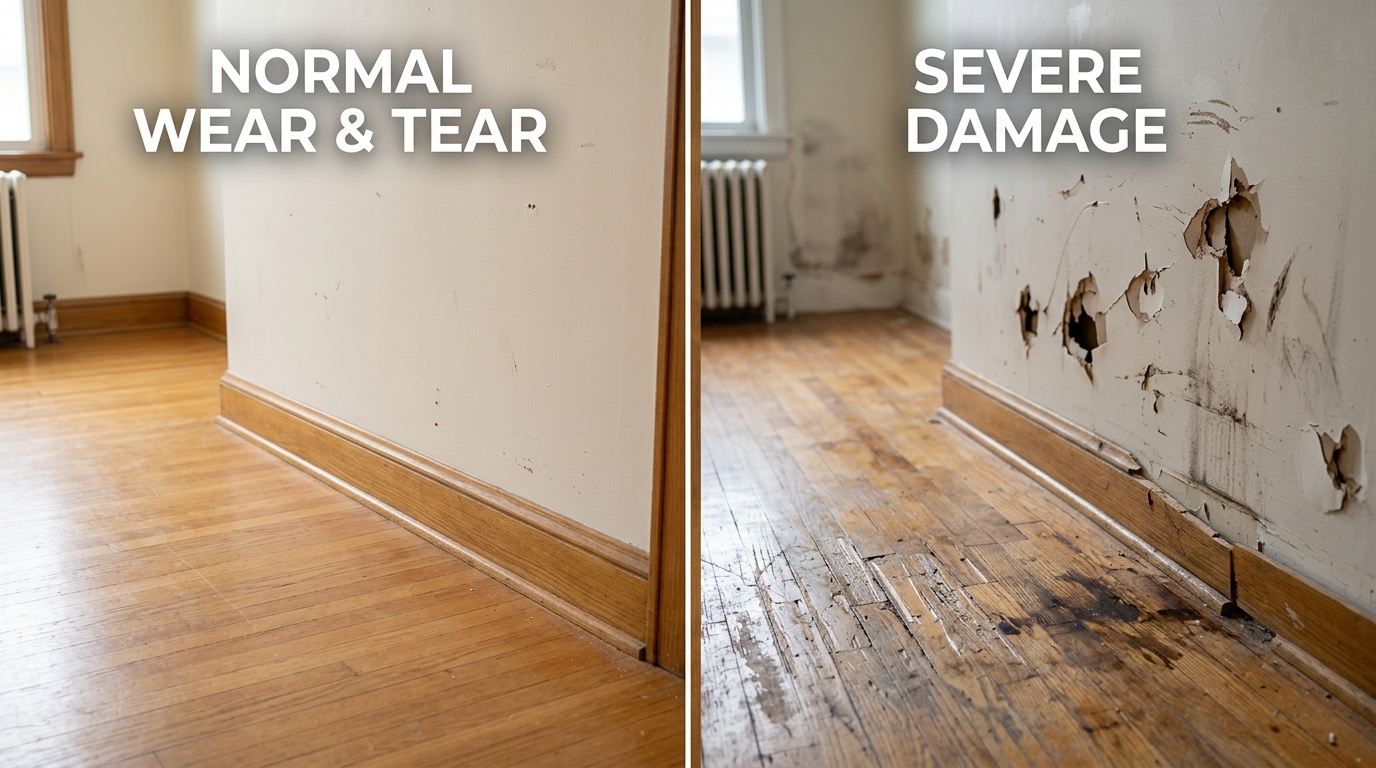
Normal wear and tear refers to the natural decline in the condition of a property resulting from regular, everyday use by the tenant. It is the inevitable aging process that happens to any home, regardless of how well it is maintained.
| Example of Wear and Tear | Example of Property Damage |
|---|---|
| Faded paint or wallpaper | Large holes in the walls |
| Worn carpet in high-traffic areas | Pet stains or burn marks on carpets |
| Loose door handles or hinges | Broken doors or windows |
| Minor scuffs on wooden floors | Deep scratches or gouges in flooring |
| Worn enamel in the bathtub | Chipped or cracked sinks and bathtubs |
What Constitutes Property Damage?
Property damage goes beyond normal aging. It includes harm caused by negligence, abuse, or accidents that affect the property's value, usefulness, or normal functioning. Landlords have the right to deduct the cost of repairing such damage from the tenant's security deposit.
How to Avoid Security Deposit Disputes
1. Move-in Inspection: Always complete a thorough move-in inspection checklist with your landlord.
2. Take Photos: Take detailed photos and videos of the property's condition on the day you move in.
3. Report Issues Immediately: Do not wait for minor issues to turn into major damage.
4. Perform Regular Maintenance: Keep the property clean and well-maintained.
By understanding the difference between wear and tear and damage, both landlords and tenants can navigate the end of a lease agreement smoothly and fairly.