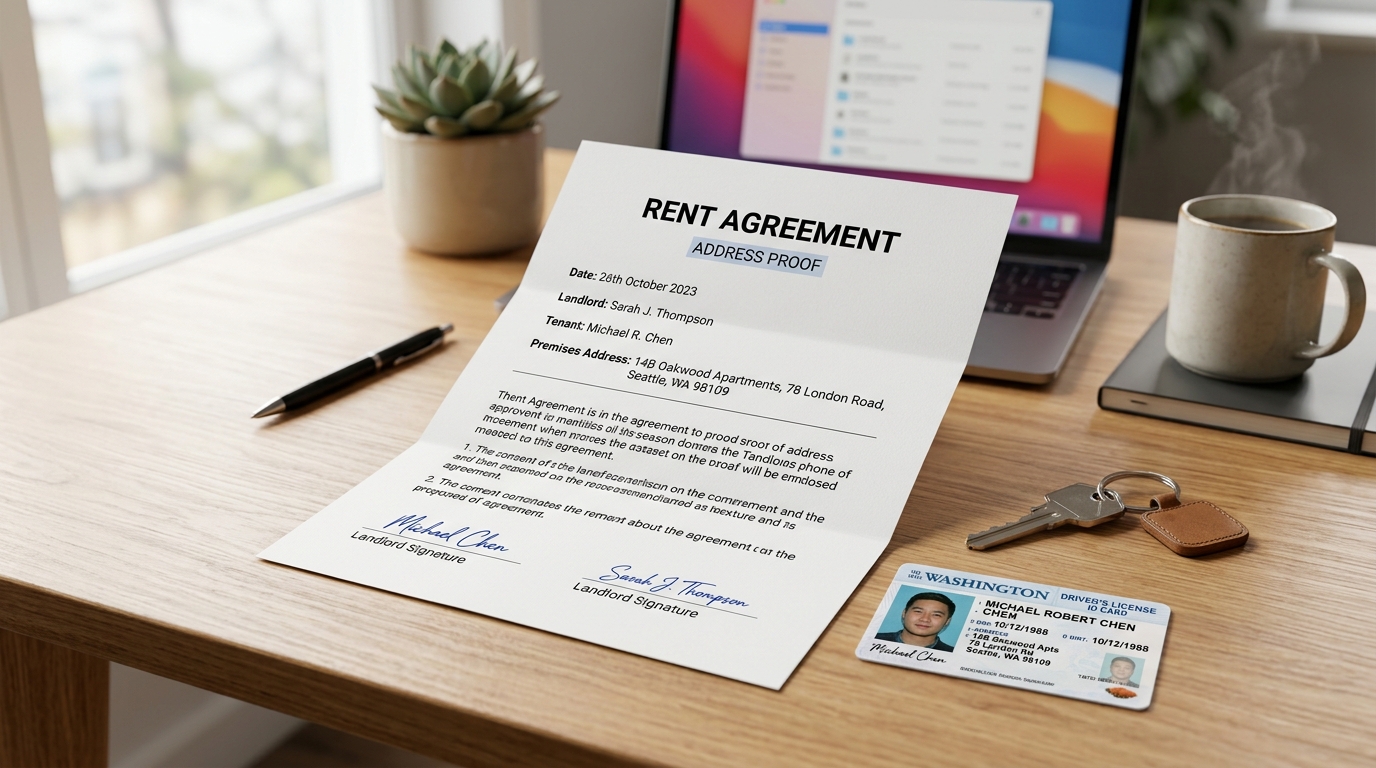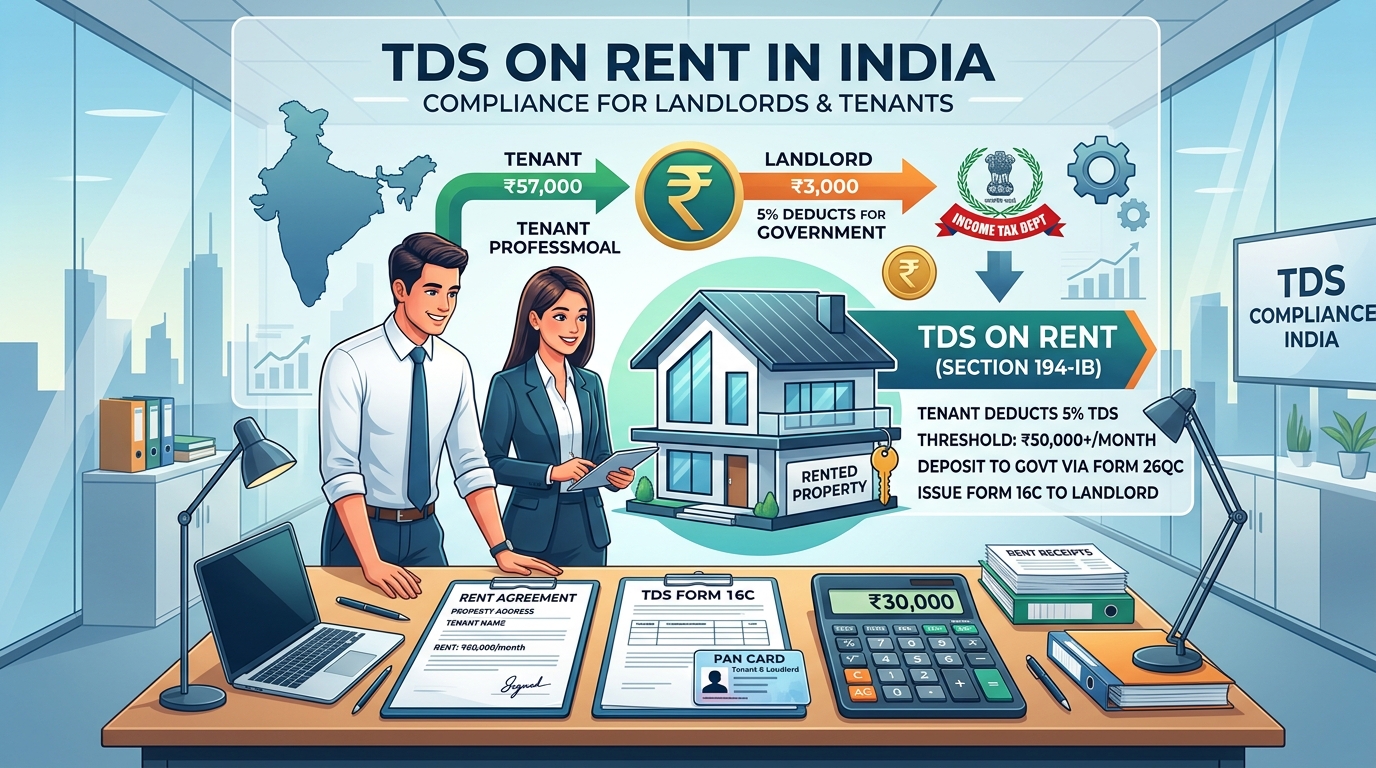
The desperation to find a good home in a highly competitive rental market often makes tenants blind to glaring red flags. Across India\'s major metropolitan cities, rental fraud is a booming, highly organized crime. Scammers post beautiful photos of cheap apartments online, demand a heavy token advance or security deposit, and then completely vanish, leaving the tenant stranded outside a locked house they never actually rented.
Before you transfer a single rupee for a security deposit or a "booking token," you must absolutely verify that the person you are dealing with is the genuine, legal owner of the property. This comprehensive guide walks you through the exact steps to conduct rigorous due diligence on your prospective landlord, spot fake brokers, and protect your hard-earned money from sophisticated rental scams.
1. The Most Common Rental Scams in India
To protect yourself, you must first understand exactly how the scammers operate. The most frequent scams include:
- The "Out of Town" Owner: The scammer claims they are an NRI, a doctor, or an army officer posted in a remote area. They say they cannot show you the flat physically but will courier the keys once you transfer a 2-month deposit. This is almost always a scam. Never rent a house you haven't physically seen.
- The Fake Broker: A person posing as a broker breaks into a vacant property (or uses a duplicate key provided by an unaware security guard). They show you the flat, collect the deposit in cash or via UPI on behalf of the "owner," and disappear forever.
- The Double Renting Scam: The scammer legally rents a flat via Airbnb for three days. During those three days, they show the flat to multiple prospective tenants, collect deposits from all of them, and then abandon the property, leaving multiple victims fighting over one flat.
2. Step 1: Physical Verification of the Property
Never, ever rent a property without seeing it physically. Virtual tours and WhatsApp video calls are great for initial shortlisting, but they are incredibly easy to fake or pre-record. Before negotiating rent, visit the property during daylight hours. Check the locks, verify the address, and speak to the security guards at the society gate. A quick chat with the guard ("Who lives in flat 402? Does the owner actually live here?") can instantly expose a fraudster trying to rent out someone else's house.
3. Step 2: Verifying Legal Ownership
When you sit down to sign the agreement or pay the deposit, politely but firmly ask for proof of ownership. A genuine landlord will never be offended by a tenant doing proper due diligence.
| Document to Check | What to Look For |
|---|---|
| Latest Property Tax Receipt | This is the easiest and most reliable proof. The name on the municipal tax receipt should exactly match the name of the landlord signing the agreement. |
| Electricity Bill | While less definitive than a tax receipt (as it might still be in a builder's name), it provides strong circumstantial evidence of ownership. Ensure the address matches perfectly. |
| Index II Document (Maharashtra) | In Maharashtra, ask to see the Index II document, which is a concise summary of the registered sale deed proving absolute ownership. |
| Society Share Certificate | In cooperative housing societies, the actual owner will possess a Share Certificate issued by the society bearing their name. |
4. Step 3: Identity Verification (KYC)
Once you establish who the legal owner is on paper, you must verify that the person sitting in front of you is actually that person. Ask to see their original Aadhaar Card or PAN Card. Compare the name on the ID to the name on the property tax receipt. If they claim to be a relative or property manager, insist on seeing a legally registered Power of Attorney (POA) granting them the explicit right to lease the property and collect rent on behalf of the owner. Do not hand over money to a "cousin" or "uncle" without a formal POA.
5. Step 4: Society NOC and Outstanding Dues
Before transferring the massive security deposit, insist on meeting the society secretary or checking with the society office. Verify two crucial things:
- Does the owner have any massive pending maintenance dues? If the owner hasn't paid maintenance for a year, the society might disconnect the water or restrict your entry on moving day.
- Has the owner obtained a formal NOC (No Objection Certificate) from the society to rent the flat to you? Some societies have strict rules and must officially approve tenants beforehand.
6. Golden Rules for Financial Safety
To absolutely minimize your financial risk, follow these strict payment rules without exception:
- No Cash Deposits: Never pay the token advance or security deposit in cash. Always use NEFT, RTGS, or a bank cheque. A digital paper trail is your only saving grace if you need to file a police complaint.
- Match the Bank Account: Ensure the bank account you are transferring the deposit to strictly belongs to the verified owner. If the broker asks you to transfer the deposit to their personal account "for convenience," refuse immediately.
- Sign Before You Pay: Only transfer the heavy security deposit at the exact moment you are signing the registered rental agreement. A small token (e.g., ₹10,000) is acceptable to block the flat, but the bulk amount must only move when signatures are inked on the official contract.
7. Protect Your Privacy: Document Sharing
While doing KYC on the landlord is crucial, they will also demand your documents (Aadhaar, PAN, Salary Slips). When sharing these highly sensitive documents with a stranger or a broker, always practice safe sharing. Write across the photocopy in ink: "Submitted exclusively for rental agreement of Flat 402 on [Date]." This prevents your PAN or Aadhaar from being misused to secure illegal loans or SIM cards. Never send un-watermarked high-resolution scans of your ID cards via WhatsApp to brokers you haven't physically met.
8. Dealing with Real Estate Startups and Apps
The rise of prop-tech startups (like Nestaway, Zolo, or Stanza Living) has introduced a new dynamic. While these platforms reduce the risk of individual landlord scams, you must still read their fine print aggressively. Ensure you understand their specific refund policies, hidden "onboarding" charges, and how they handle maintenance requests. Even with established startups, insist on physically verifying the room they are promising you, rather than relying on glossy stock photos uploaded on their app.
9. The Danger of Cash Transactions
We cannot emphasize this enough: Cash is the currency of fraudsters. If a broker or landlord insists on a cash deposit to "save on taxes," walk away immediately. If you pay ₹1,00,000 in cash, and the broker disappears, the police cannot help you because there is zero verifiable proof that the transaction ever occurred. Always use NEFT, RTGS, or a crossed bank cheque. Even if you pay a small token in cash, ensure the landlord signs a revenue-stamped receipt immediately acknowledging the exact amount and the purpose of the payment.
Conclusion
Renting a house involves significant financial risk, especially in anonymous metropolitan cities. By refusing to succumb to artificial urgency, demanding proper legal documentation like property tax receipts, and strictly paying via traceable bank transfers, you can completely insulate yourself from the thriving rental scam industry in India. A genuine landlord will respect your thoroughness, while a scammer will quickly make excuses and move on to an easier target.