Electricity Bill in a Rented House: Who Pays & What Should Tenants Check?
Electricity bills often become a point of contention between landlords and tenants in India.
The standard practice is for the tenant to pay for the electricity consumed during their stay, based on the meter readings.
However, tenants must verify that there are no pending arrears from previous occupants before moving in.
In properties with a sub-meter (common in multi-unit buildings), landlords sometimes charge a flat rate per unit which might be higher than the official slab rate.
Tenants have the right to ask for the official electricity bill or check the rates online to ensure they are not being overcharged.
It's also important to clarify who bears the fixed charges and municipal taxes associated with the electricity connection.
If the landlord provides appliances (AC, geyser), tenants should check their energy efficiency, as old appliances can lead to exorbitant bills.
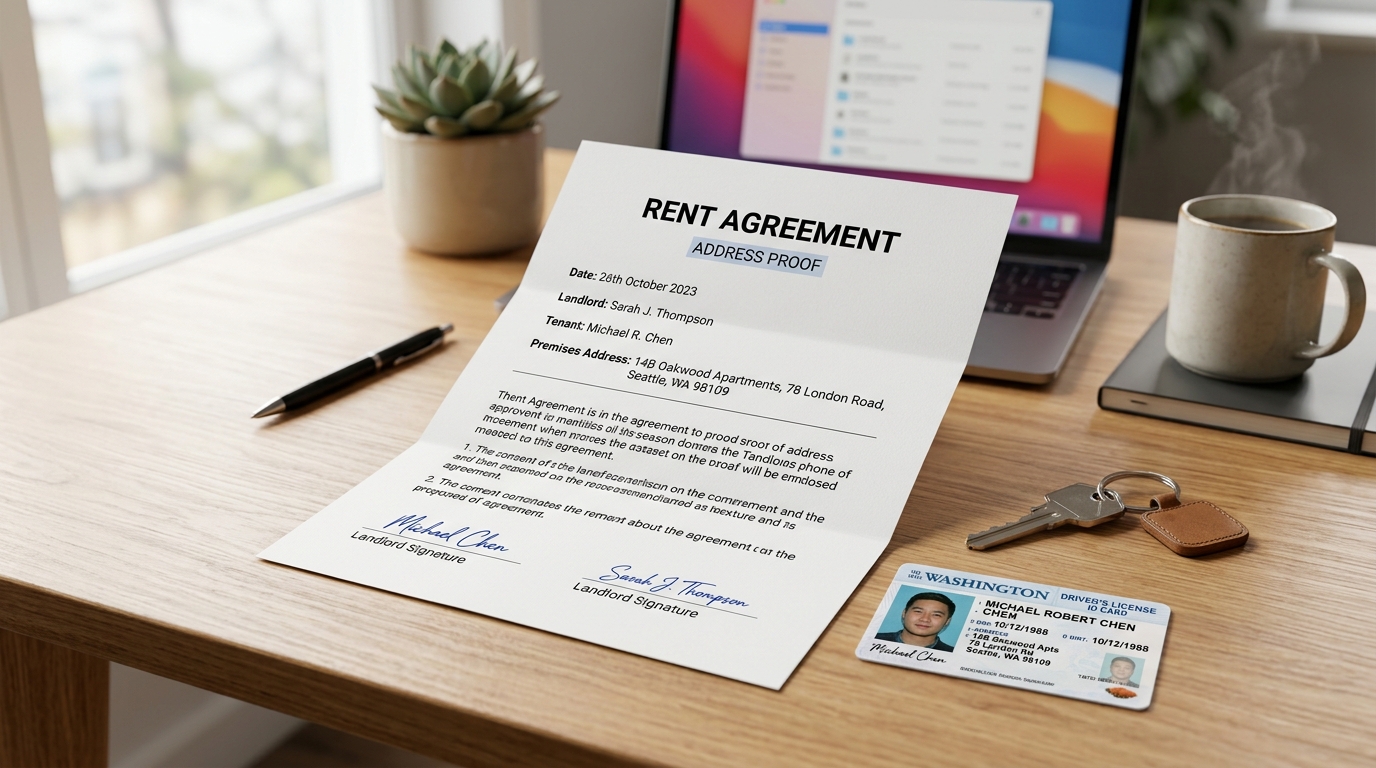
Documenting the initial meter reading in the rent agreement and taking a picture on moving day is a foolproof way to avoid future disputes.
Key Takeaways
- Electricity bills often become a point of contenti...
- The standard practice is for the tenant to pay for...
- However, tenants must verify that there are no pen...
Detailed Analysis
| Aspect | Details |
|---|---|
| Overview | Electricity bills often become a point of contention between landlords and tenants in India. |
| Implication | The standard practice is for the tenant to pay for the electricity consumed during their stay, based on the meter readings. |
Electricity bills often become a point of contention between landlords and tenants in India.
The standard practice is for the tenant to pay for the electricity consumed during their stay, based on the meter readings.
However, tenants must verify that there are no pending arrears from previous occupants before moving in.
In properties with a sub-meter (common in multi-unit buildings), landlords sometimes charge a flat rate per unit which might be higher than the official slab rate.
Tenants have the right to ask for the official electricity bill or check the rates online to ensure they are not being overcharged.
It's also important to clarify who bears the fixed charges and municipal taxes associated with the electricity connection.
If the landlord provides appliances (AC, geyser), tenants should check their energy efficiency, as old appliances can lead to exorbitant bills.
Documenting the initial meter reading in the rent agreement and taking a picture on moving day is a foolproof way to avoid future disputes.
Electricity bills often become a point of contention between landlords and tenants in India.
The standard practice is for the tenant to pay for the electricity consumed during their stay, based on the meter readings.
However, tenants must verify that there are no pending arrears from previous occupants before moving in.
In properties with a sub-meter (common in multi-unit buildings), landlords sometimes charge a flat rate per unit which might be higher than the official slab rate.
Tenants have the right to ask for the official electricity bill or check the rates online to ensure they are not being overcharged.
It's also important to clarify who bears the fixed charges and municipal taxes associated with the electricity connection.
If the landlord provides appliances (AC, geyser), tenants should check their energy efficiency, as old appliances can lead to exorbitant bills.
Documenting the initial meter reading in the rent agreement and taking a picture on moving day is a foolproof way to avoid future disputes.
Electricity bills often become a point of contention between landlords and tenants in India.
The standard practice is for the tenant to pay for the electricity consumed during their stay, based on the meter readings.
However, tenants must verify that there are no pending arrears from previous occupants before moving in.
In properties with a sub-meter (common in multi-unit buildings), landlords sometimes charge a flat rate per unit which might be higher than the official slab rate.
Tenants have the right to ask for the official electricity bill or check the rates online to ensure they are not being overcharged.
It's also important to clarify who bears the fixed charges and municipal taxes associated with the electricity connection.
If the landlord provides appliances (AC, geyser), tenants should check their energy efficiency, as old appliances can lead to exorbitant bills.
Documenting the initial meter reading in the rent agreement and taking a picture on moving day is a foolproof way to avoid future disputes.
Electricity bills often become a point of contention between landlords and tenants in India.
The standard practice is for the tenant to pay for the electricity consumed during their stay, based on the meter readings.
However, tenants must verify that there are no pending arrears from previous occupants before moving in.
In properties with a sub-meter (common in multi-unit buildings), landlords sometimes charge a flat rate per unit which might be higher than the official slab rate.
Tenants have the right to ask for the official electricity bill or check the rates online to ensure they are not being overcharged.
It's also important to clarify who bears the fixed charges and municipal taxes associated with the electricity connection.
If the landlord provides appliances (AC, geyser), tenants should check their energy efficiency, as old appliances can lead to exorbitant bills.
Documenting the initial meter reading in the rent agreement and taking a picture on moving day is a foolproof way to avoid future disputes.
Electricity bills often become a point of contention between landlords and tenants in India.
The standard practice is for the tenant to pay for the electricity consumed during their stay, based on the meter readings.
However, tenants must verify that there are no pending arrears from previous occupants before moving in.
In properties with a sub-meter (common in multi-unit buildings), landlords sometimes charge a flat rate per unit which might be higher than the official slab rate.
Tenants have the right to ask for the official electricity bill or check the rates online to ensure they are not being overcharged.
It's also important to clarify who bears the fixed charges and municipal taxes associated with the electricity connection.
If the landlord provides appliances (AC, geyser), tenants should check their energy efficiency, as old appliances can lead to exorbitant bills.
Documenting the initial meter reading in the rent agreement and taking a picture on moving day is a foolproof way to avoid future disputes.