1. Introduction to Furnished vs. Unfurnished Rentals
Choosing between a furnished and an unfurnished apartment is one of the biggest decisions tenants face when moving to a new city in India. The choice directly impacts your monthly budget, upfront moving costs, and long-term flexibility. A fully furnished home offers immediate convenience, while an unfurnished space allows you to design your dream home from scratch. In this comprehensive guide, we will break down the pros, cons, and hidden financial implications of both options.
2. What Does "Furnished" Actually Mean in India?
In the Indian rental market, terms can be highly subjective. It is crucial to understand the difference between the three common categories: Unfurnished, Semi-Furnished, and Fully Furnished.
Unfurnished: This is a bare-shell apartment. It typically includes only basic electrical fixtures (lights and fans) and standard bathroom fittings. You will have to buy or rent everything else, including wardrobes, modular kitchen cabinets, and appliances.
Semi-Furnished: This is the most popular category in cities like Bangalore and Pune. It usually includes built-in wardrobes in the bedrooms, basic modular kitchen cabinets, lights, fans, and sometimes geysers in the bathrooms or exhaust fans in the kitchen. It does not include movable furniture.
Fully Furnished: A fully furnished apartment is a "plug-and-play" setup. It includes everything found in a semi-furnished house, plus beds, mattresses, a sofa set, a dining table, a refrigerator, a washing machine, a TV, and sometimes even soft furnishings like curtains and rugs.
3. The Pros and Cons of a Fully Furnished Apartment
Fully furnished homes are highly sought after by young professionals and expatriates who want a hassle-free transition.
Advantages
- Immediate Move-In: You can practically move in with just a suitcase of clothes. There is no waiting for furniture deliveries or dealing with carpenters.
- Zero Setup Cost: You avoid the massive upfront capital expenditure required to buy a fridge, washing machine, beds, and sofas.
- High Mobility: If your job requires frequent relocations, moving out of a furnished home is incredibly easy. You don't have to hire expensive packers and movers to transport heavy furniture across state lines.
Disadvantages
- Higher Rent: Furnished apartments command a premium. Expect to pay 15% to 30% more in monthly rent compared to an identical unfurnished flat in the same building.
- Higher Security Deposit: Because the landlord is risking expensive appliances and furniture, they often demand a higher security deposit to cover potential damages.
- Liability for Damages: If the landlord's TV breaks down or the sofa gets a permanent stain, the repair or replacement cost will be deducted from your deposit. You are constantly living with someone else's expensive belongings.
- Lack of Personalization: You are stuck with the landlord's taste in decor, which might be outdated or not match your personal aesthetic.
4. The Pros and Cons of an Unfurnished Apartment
Unfurnished apartments are ideal for long-term tenants and families who already own their household goods.
Advantages
- Lower Monthly Rent: You save significantly on monthly rent, which compounds into massive savings over a multi-year lease.
- Total Customization: You have the freedom to design the space exactly as you want, buying furniture that fits your ergonomic needs and aesthetic preferences.
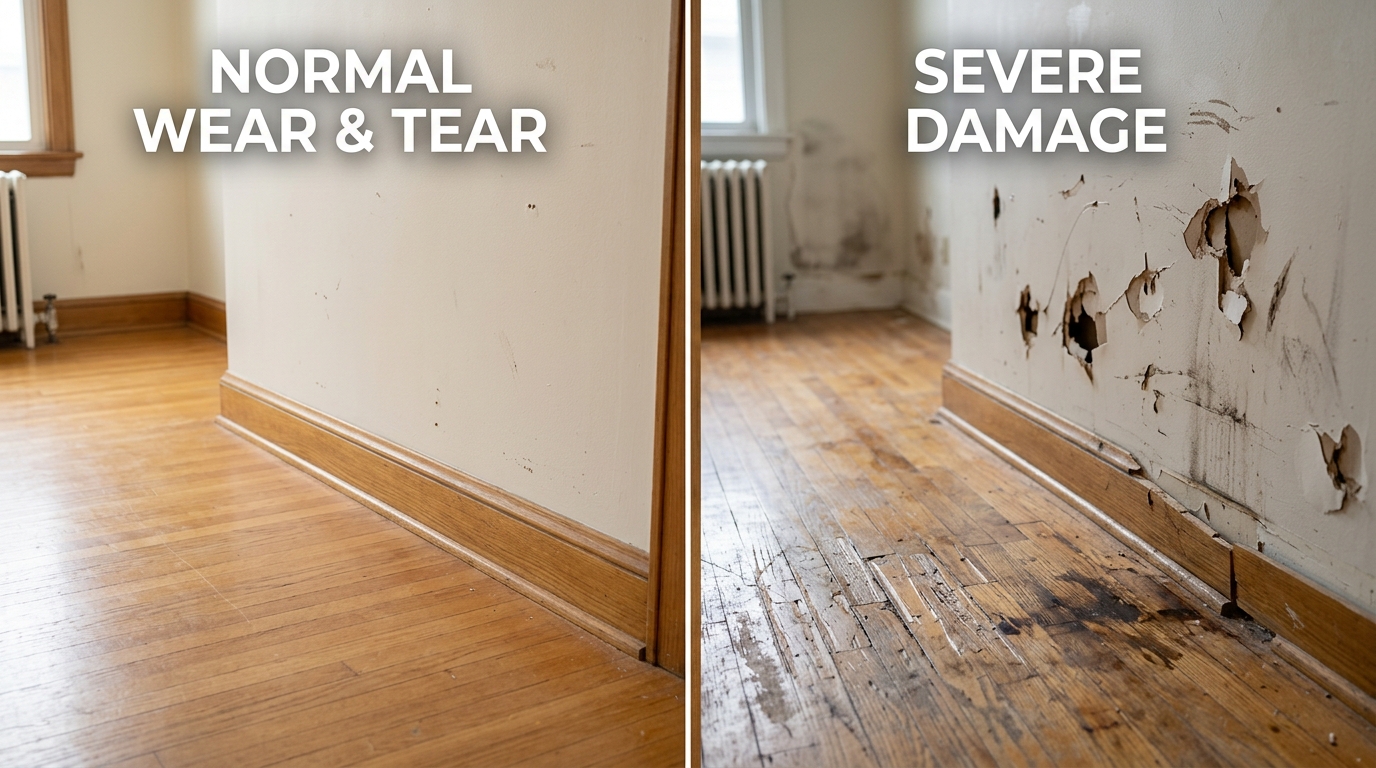
- Lower Risk of Deductions: With no landlord-owned furniture or appliances to break, your security deposit is much safer. Normal wear and tear on walls and floors is usually easier to negotiate.
Disadvantages
- High Initial Investment: Buying brand new furniture and white goods can easily cost ₹2 Lakhs to ₹3 Lakhs, which is a massive financial burden right after paying a heavy security deposit.
- Moving Hassles: Relocating with a house full of furniture is stressful, expensive, and increases the risk of damage during transit.
5. Financial Comparison: The 3-Year Rule
To make the best financial decision, you should apply the "3-Year Rule." If you plan to live in the same city for less than 3 years, a fully furnished apartment or a semi-furnished apartment with rented furniture (from startups like Furlenco or Rentomojo) makes more financial sense. The premium you pay in rent is less than the depreciation and moving costs of buying your own furniture.
However, if you plan to stay in the city for more than 3 years, it is mathematically wiser to rent an unfurnished or semi-furnished house and buy your own furniture. Over a 5-year period, the extra rent paid for a furnished house will far exceed the cost of buying brand new, high-quality furniture.
6. The Rise of Furniture Rental Startups
In the last decade, furniture rental startups have revolutionized the Indian market. Companies like Rentomojo, Furlenco, and Cityfurnish allow you to rent an unfurnished apartment (to save on rent) and then subscribe to a "full home furniture package" for a monthly fee.
This hybrid approach gives you the best of both worlds: you pay lower house rent, avoid the massive upfront cost of buying furniture, and maintain total mobility because the startup handles the relocation of the furniture when you move. Furthermore, these companies often offer free maintenance and free upgrades.
7. Inspecting a Furnished Apartment Before Signing
If you decide to rent a fully furnished apartment, the inspection process must be extremely rigorous to protect your deposit.
- Test Everything: Turn on the ACs, run the washing machine on a short cycle, check the fridge cooling, and test the microwave. Do not assume appliances work just because they are plugged in.
- Check for Hidden Damage: Lift cushions on the sofa to check for stains or tears. Look for water damage inside wooden wardrobes. Check the mattress for sagging.
- Create a Detailed Inventory Annexure: The rental agreement MUST include an annexure listing every single piece of furniture and appliance, along with its current condition (e.g., "Samsung 32-inch TV - minor scratch on bezel"). Both you and the landlord must sign this annexure.
- Take Video Evidence: On the day you take possession, walk through the house recording a high-definition video of all the furniture and appliances. Email this video to the landlord immediately so there is a time-stamped record of the pre-existing condition.
8. Conclusion
There is no one-size-fits-all answer to the furnished vs. unfurnished debate. Your decision should be dictated by your career stability, your upfront capital availability, and your personal lifestyle preferences. Young, highly mobile professionals should lean towards furnished spaces or furniture rentals, while settled families will find greater financial value and comfort in unfurnished homes.
9. Frequently Asked Questions (FAQs)
Q: Who is responsible for repairing the fridge in a fully furnished apartment?
A: Unless the rental agreement explicitly states otherwise, the landlord is responsible for repairing major appliances due to normal mechanical failure. However, if the appliance broke due to your negligence or misuse, you must pay for the repair.
Q: Can I ask the landlord to remove some furniture if I have my own?
A: Yes, you can always negotiate. However, the landlord is not legally obligated to remove it. If they refuse, you must carefully store their furniture in a spare room and ensure it is not damaged.
Q: Is a semi-furnished house better than a fully furnished one?
A: For most Indian tenants, semi-furnished represents the "sweet spot." It provides the essential, hard-to-install items (wardrobes, kitchen cabinets) but allows you to avoid the steep rent premium associated with fully furnished homes.