The Inevitable Maintenance Conflict
You wake up in the middle of the night to the sound of dripping water. A concealed pipe in the bathroom ceiling has burst, and water is flooding the floor. You call the plumber, and the estimate is ₹15,000 to break the tiles, fix the pipe, and re-tile the area. You hand the bill to your landlord, who flatly refuses, stating, "You live there, you broke it, you fix it."
Disputes over repair bills are incredibly common. Knowing exactly where the financial liability lies for different types of repairs can save both parties from bitter arguments and legal notices.
The General Rule of Thumb
Under the Transfer of Property Act, and reinforced by the Model Tenancy Act, the division of responsibility generally follows a logical framework:
- The Landlord is responsible for all major, structural, and foundational repairs necessary to keep the property habitable.
- The Tenant is responsible for day-to-day maintenance, minor wear-and-tear repairs, and any damage directly caused by their negligence.
Landlord Responsibilities (Major / Structural Repairs)
The landlord must bear the financial cost of repairing structural elements that degrade due to time, weather, or poor construction. These include:
- Concealed Plumbing and Electricals: Burst internal pipes, major short circuits in the main wiring, or failure of the main water pump.
- Structural Integrity: Roof leaks, severe wall seepage due to exterior rain, cracks in the foundation, or balcony structural issues.
- Major Appliances (If provided): If the landlord provided an AC or a geyser and its compressor/motor burns out due to age (not tenant misuse), the landlord must replace or repair it.
- Exterior Painting: General repainting of the building exterior.
If a landlord refuses to undertake critical structural repairs (like a leaking roof), the tenant has the right to carry out the repairs themselves (after giving written notice) and deduct the cost from the subsequent month\'s rent.
Tenant Responsibilities (Minor / Daily Maintenance)
The tenant is occupying the property and must maintain it responsibly. Tenant costs include:
- Consumables: Replacing fused light bulbs, tubelights, and changing RO water filters.
- Minor Plumbing/Electrical: Fixing a leaking tap washer, replacing a broken showerhead, unblocking a clogged kitchen sink, or replacing a burnt-out plug socket.
- Appliance Servicing: Routine cleaning and servicing of provided appliances (e.g., the annual servicing of the AC unit before summer).
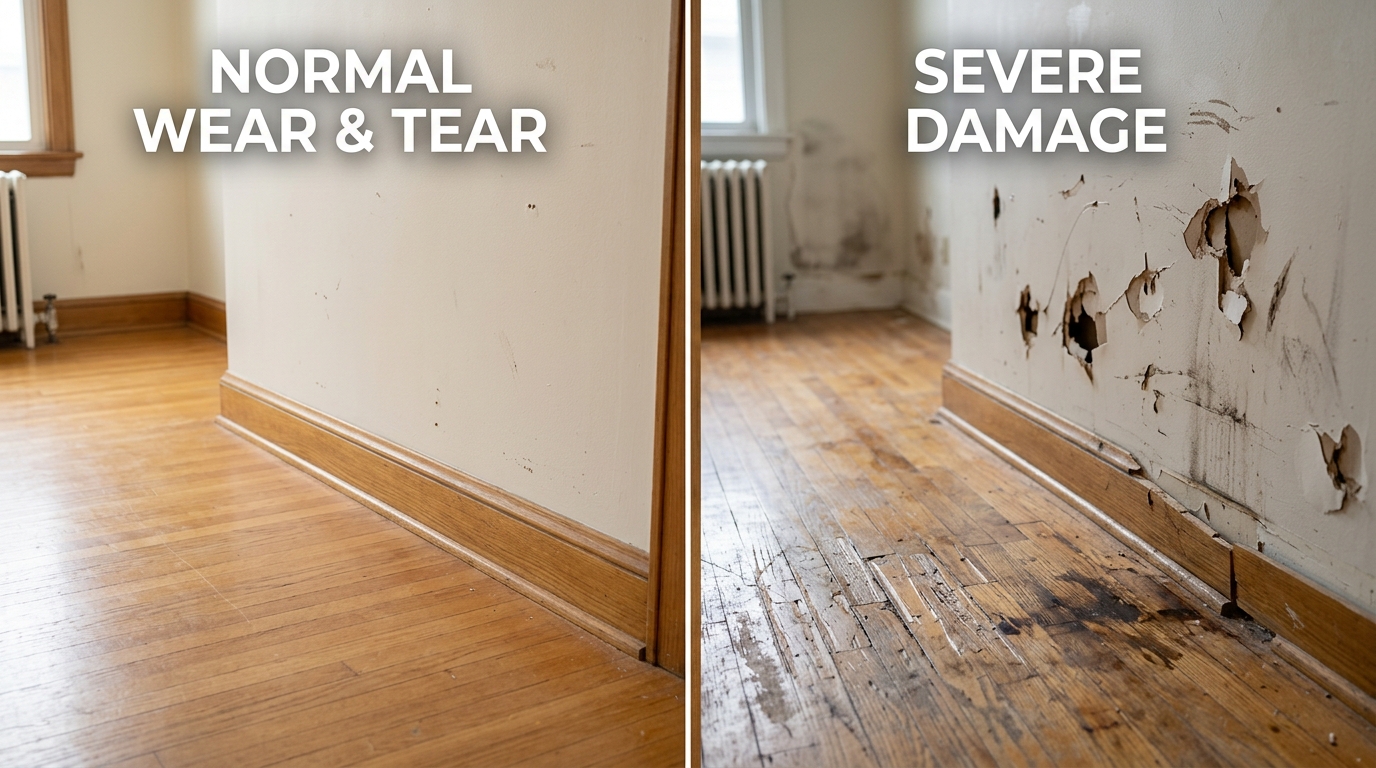
- Negligence Damages: Any structural damage caused by the tenant (e.g., breaking a window pane, burning the kitchen counter with hot pans, or severe pet damage).
Drafting the Perfect Maintenance Clause
The best way to avoid disputes is to eliminate ambiguity in the rental agreement. Vague terms like "tenant will handle maintenance" are recipes for disaster.
| Poor Clause Example | Robust Clause Example |
|---|---|
| "The tenant shall maintain the property in good condition." | "The Tenant shall bear the cost of minor repairs up to ₹1,500 per incident. Any structural repair (plumbing/electrical) exceeding ₹1,500 shall be borne by the Landlord, provided it is not caused by Tenant negligence." |
Setting a financial threshold (like ₹1,000 or ₹2,000) is highly recommended. It clearly dictates that petty repairs are the tenant's headache, while major financial hits are the landlord's responsibility.
Frequently Asked Questions (FAQ)
Who pays for pest control in a rented house?
If the house was infested with termites or bedbugs before the tenant moved in, the landlord must pay for extermination. However, routine pest control for cockroaches or ants during the tenancy is the tenant's responsibility.
My washing machine flooded and damaged the wooden flooring. Who pays?
Because the damage to the structure (flooring) was directly caused by the tenant's negligence or the tenant's appliance, the tenant is entirely responsible for the cost of repairing or replacing the flooring.