Life is unpredictable. A sudden job transfer to another city, a family emergency, or simply finding a better, cheaper home might require you to terminate your rental agreement before its official expiration date. However, breaking a lease in India is not as simple as packing your bags and handing over the keys.
Ending a rental contract prematurely requires careful navigation of the specific legal clauses you signed. If you do not follow the correct termination procedure, you risk losing your entire security deposit, facing aggressive legal action from the landlord, or being forced to pay rent for an empty house. This comprehensive guide explains the mechanics of notice periods, lock-in clauses, and the legal, professional way to terminate a tenancy early without losing your money.
1. Understanding the Lock-in Period
The most critical obstacle to ending an agreement early is the "lock-in period." This is a legally binding clause designed to guarantee financial stability for both the landlord (who doesn\'t want to search for new tenants constantly) and the tenant (who doesn\'t want to be abruptly evicted).
Typically, in a standard 11-month residential agreement, the lock-in period is set for the first 6 months. During this strict window, neither the landlord nor the tenant can terminate the agreement without facing severe financial penalties.
What exactly happens if you break the lock-in?
If you absolutely must leave during the lock-in period, you will almost certainly face a penalty. The exact penalty depends entirely on the specific wording of your contract. Common scenarios include:
- Forfeiture of Deposit: The landlord legally retains the entire security deposit as a penalty for breach of contract, and you get nothing back.
- Paying the Balance Rent: You are legally obligated to pay the rent for the remaining months of the lock-in period, regardless of whether you are actually living in the property. (e.g., If you leave in month 4 of a 6-month lock-in, you must pay rent for months 5 and 6 before the landlord will release you).
2. The Notice Period Explained
Once the lock-in period has successfully expired, or if your agreement luckily does not have a lock-in clause at all, you can end the lease early by serving a formal "Notice Period."
The notice period is the exact amount of advance warning you must give the landlord before moving out. This allows the landlord time to find a replacement tenant so they don't suffer a loss of rental income. In India, standard notice periods are usually 30 days (1 month) or 60 days (2 months). This duration must be explicitly stated in the rental agreement.
3. Step-by-Step Guide to Terminating the Agreement Early
To ensure a smooth exit and securely claim your full deposit refund, follow this legal procedure strictly:
Step 1: Read Your Agreement Carefully
Before saying anything to the landlord, pull out your registered agreement. Identify the exact duration of the lock-in period, the required notice period, and any specific penalty clauses regarding early termination. Knowing your contractual limits is crucial before initiating a conversation. If you are still in the lock-in, prepare for a negotiation.
Step 2: Serve Formal Written Notice
Do not rely on a phone call or a casual WhatsApp message. Send a formal, written notice of termination via an email or a registered post letter with acknowledgment due. Clearly state your intended move-out date and reference the specific notice period clause from your agreement (e.g., "As per Clause 6 of our agreement, I am serving my 30-day notice"). This creates an undeniable, legally binding paper trail.
Step 3: Pay Rent During the Notice Period
Continue to pay your rent and utility bills on time during your notice period. Defaulting on rent gives the landlord a valid reason to withhold your security deposit and potentially initiate legal action for arrears.
Step 4: Conduct a Joint Move-Out Inspection
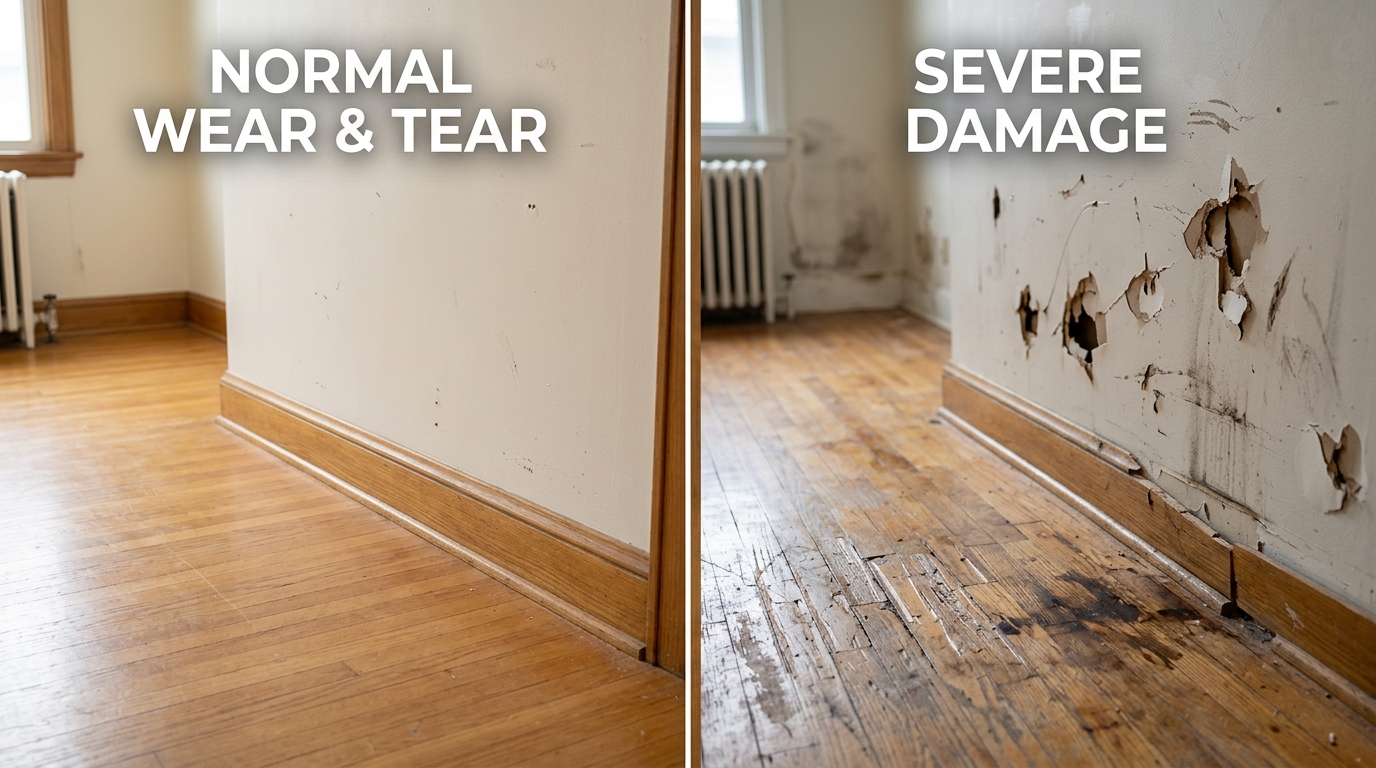
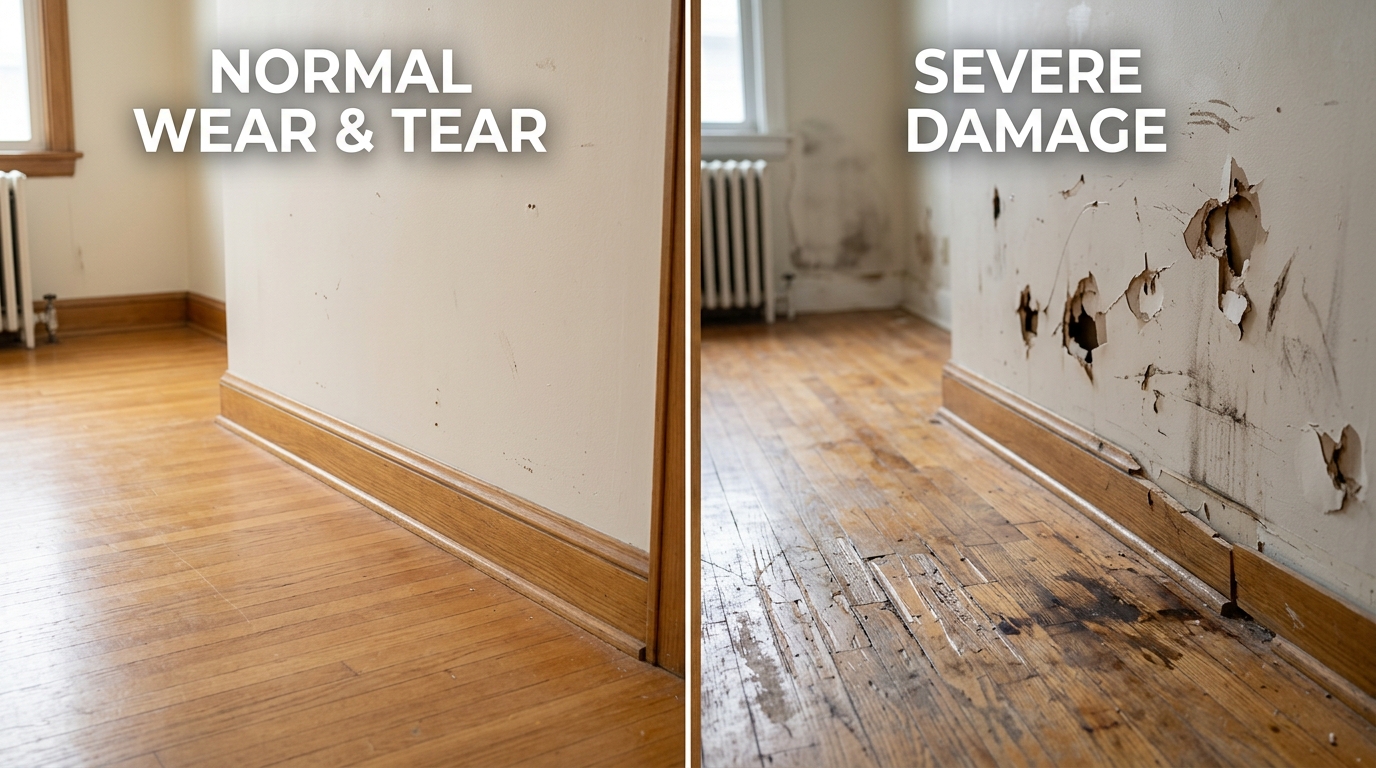
A few days before you leave, invite the landlord for a joint inspection of the property. Compare the current condition against the original inventory list attached to your agreement. Ensure the house is thoroughly cleaned. Agree on any legitimate deductions for damages (beyond normal wear and tear) before handing over the keys. If the landlord wants to charge for painting, check if that was in the contract.
Step 5: Handover and Deposit Settlement
Upon handing over vacant possession and the keys, the landlord is obligated to refund the balance of your security deposit. Ensure you collect a final "No Dues Certificate" or a written acknowledgment from the landlord stating that the property has been received in satisfactory condition and the deposit has been settled in full.
4. Exceptions: When Can You Leave Without Penalty?
There are rare legal scenarios where a tenant can terminate the agreement early without penalty, even during a strict lock-in period. These usually involve severe breaches by the landlord:
| Scenario | Legal Justification |
|---|---|
| Property is Uninhabitable | If the property suffers severe structural damage (e.g., roof collapse, massive flooding) and the landlord refuses to fix it, the property is deemed legally unfit for habitation. You can vacate immediately. |
| Breach of Essential Services | If the landlord illegally cuts off water or electricity to harass you, it constitutes a fundamental breach of contract from their side. |
| Mutual Consent | If the landlord mutually agrees in writing to waive the lock-in or notice period. This often happens if you help them find a reliable replacement tenant immediately, ensuring they don't lose any rental income. |
Conclusion
Ending a rental agreement early doesn\'t have to end in a bitter legal dispute. By understanding the lock-in and notice period clauses, serving formal written notice, and maintaining the property in good condition, you can ensure a smooth transition and a full refund of your hard-earned security deposit. Always prioritize written communication to protect your rights.