Finding the perfect rental home in India is a daunting task, but the real work begins when the landlord or broker hands you the rental agreement. In the rush to secure a good property, many tenants blindly sign standardized agreements, only to face massive hidden costs, restrictive rules, and deposit disputes months later.
A rental agreement is a legally binding contract. Once you sign it, you are legally obligated to follow its terms for the entire duration of the lease. To protect your rights, your finances, and your peace of mind, you must conduct thorough due diligence. This comprehensive checklist covers everything you must verify—from the physical property to the legal paperwork—before putting your signature on the dotted line.
1. Physical Property Inspection Checklist
Never sign an agreement without thoroughly inspecting the property yourself during daylight hours. Do not rely solely on photos or virtual tours provided by brokers.
- Plumbing and Water: Turn on all taps, showers, and flush the toilets. Check for adequate water pressure, signs of leakage under sinks, and confirm the reliability of the municipal water supply schedule with the society guard.
- Electricals: Test every light switch and power socket. Turn on the geysers and air conditioners (if provided) to ensure they work without tripping the main breaker. Verify that the electricity meter is functioning properly and belongs to your specific flat.
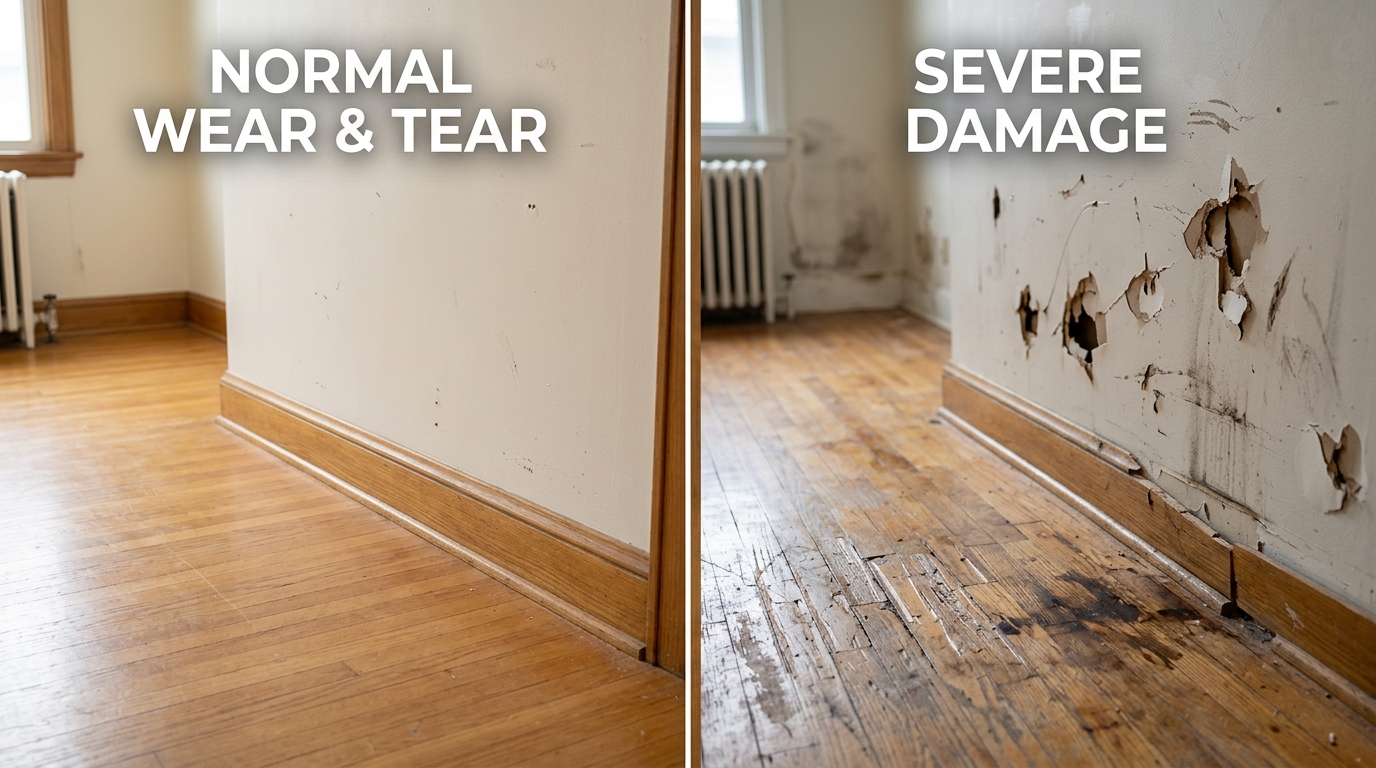
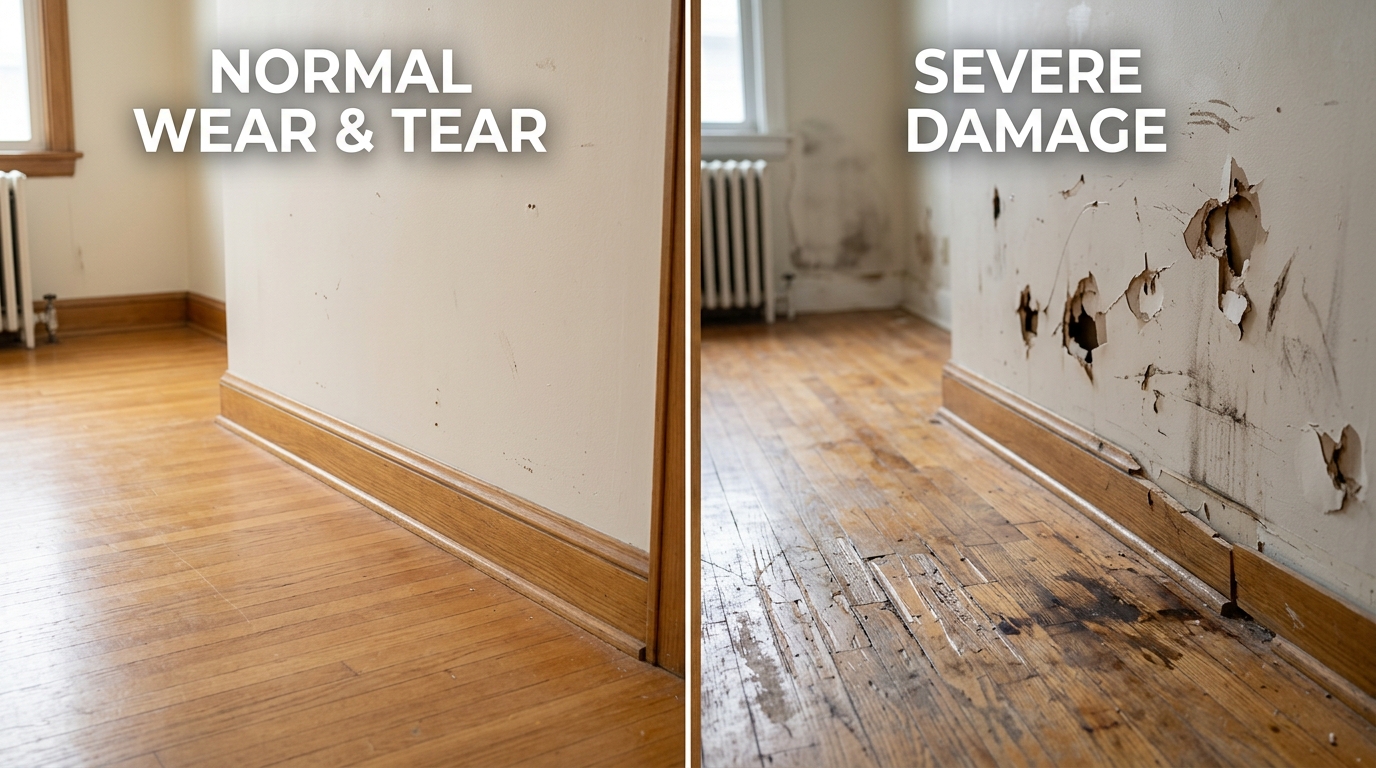
- Walls and Ceilings: Inspect carefully for damp patches, peeling paint, or mold, which indicate internal seepage. This is especially critical before the monsoon season, as landlords rarely fix this once you move in.
- Doors and Windows: Ensure all locks function securely and windows close properly to prevent rain from entering and ensure personal security.
- Mobile Network and Internet: Check the signal strength on your phone in every room. Ask about the feasibility of installing high-speed broadband from your preferred provider (some societies ban certain ISPs).
2. Ownership and Legal Verification
Rental scams are incredibly common in metropolitan cities. Fraudsters often pose as landlords, take heavy security deposits in cash, and disappear. You must verify that the person renting you the house actually has the legal authority to do so.
| Document to Verify | Why You Need It & How to Check |
|---|---|
| Title Deed or Property Tax Receipt | Confirms that the person signing the agreement as the "Landlord" is the actual legal owner of the property. Ask to see the latest property tax receipt bearing their name. |
| NOC from the Housing Society | Some strict cooperative societies require a formal No Objection Certificate before a tenant can move in. Ensure the landlord has obtained this to avoid being blocked by the society committee on moving day. |
| Power of Attorney (If applicable) | If you are dealing with a relative or a property manager instead of the actual owner, insist on seeing a registered Power of Attorney (POA) granting them the specific right to lease the property and collect rent. |
3. Financial and Commercial Terms
Ensure that all financial commitments align perfectly with your budget and are explicitly stated in the contract without any ambiguity.
- Security Deposit: Verify the exact amount, confirm it is strictly interest-free, and ensure the contract clearly states it is 100% refundable upon vacating (subject to valid damage deductions). Do not pay via cash.
- Monthly Rent and Due Date: Clarify the exact rent amount and the precise date by which it must be paid every month. Determine the acceptable payment methods (bank transfer via NEFT/UPI is highly recommended for paper trails).
- Maintenance Charges: Is the society maintenance fee included in the rent, or is it an extra cost you must bear directly? Clarify this to avoid a sudden 15% jump in your monthly housing budget.
- Pending Dues: Ask the landlord for the latest electricity, water, and piped gas bills. Ensure there are no outstanding arrears from previous tenants that you might be forced to clear to prevent disconnection.
4. Crucial Agreement Clauses to Negotiate
Read the draft agreement carefully. Do not accept a generic template provided by a broker without reviewing these specific clauses:
- Lock-in Period: Ensure the lock-in period (e.g., 6 months) is reasonable. A lock-in period that covers the entire 11-month lease is highly restrictive and should be avoided, as it prevents you from leaving if emergencies arise.
- Notice Period: The standard is 30 to 60 days. Ensure it is mutually binding—meaning the landlord must also give you 30 days\' notice if they want you to leave. If it only applies to the tenant, demand a correction.
- Rent Escalation Clause: If the agreement includes a renewal option, specify the exact percentage increase (e.g., 5% or 10%). Avoid vague language like "rent will be revised as per current market rates," which gives the landlord ultimate power.
- Repair and Maintenance: The contract should clearly state that the tenant handles minor day-to-day fixes, while the landlord is strictly responsible for major structural repairs and seepage issues.
- Painting Charges: Watch out for hidden clauses that allow the landlord to automatically deduct one month\'s rent for painting when you move out. If it\'s there, negotiate it before signing or ensure the flat is freshly painted before you move in.
5. The Final Step: The Annexure of Inventory
Never take possession of a semi-furnished or fully furnished house without attaching a detailed inventory list to the rental agreement. This list should document every ceiling fan, geyser, wardrobe, modular kitchen fitting, and piece of furniture, along with their exact condition. Take timestamped photos on your phone and email them to the landlord on the day you move in. This digital paper trail is your ultimate shield against false damage claims when it is time to recover your security deposit months or years later.
Conclusion
Signing a rental agreement should never be rushed, no matter how competitive the rental market is. By meticulously following this checklist, verifying ownership, and aggressively negotiating unfair clauses, you safeguard yourself against financial loss and legal harassment. Always keep a scanned copy of the final signed agreement for your records. Remember, it is far easier to negotiate terms or walk away before you sign the contract than to fight a bitter legal battle afterward.