1. Introduction: The Evolution of Urban Renting
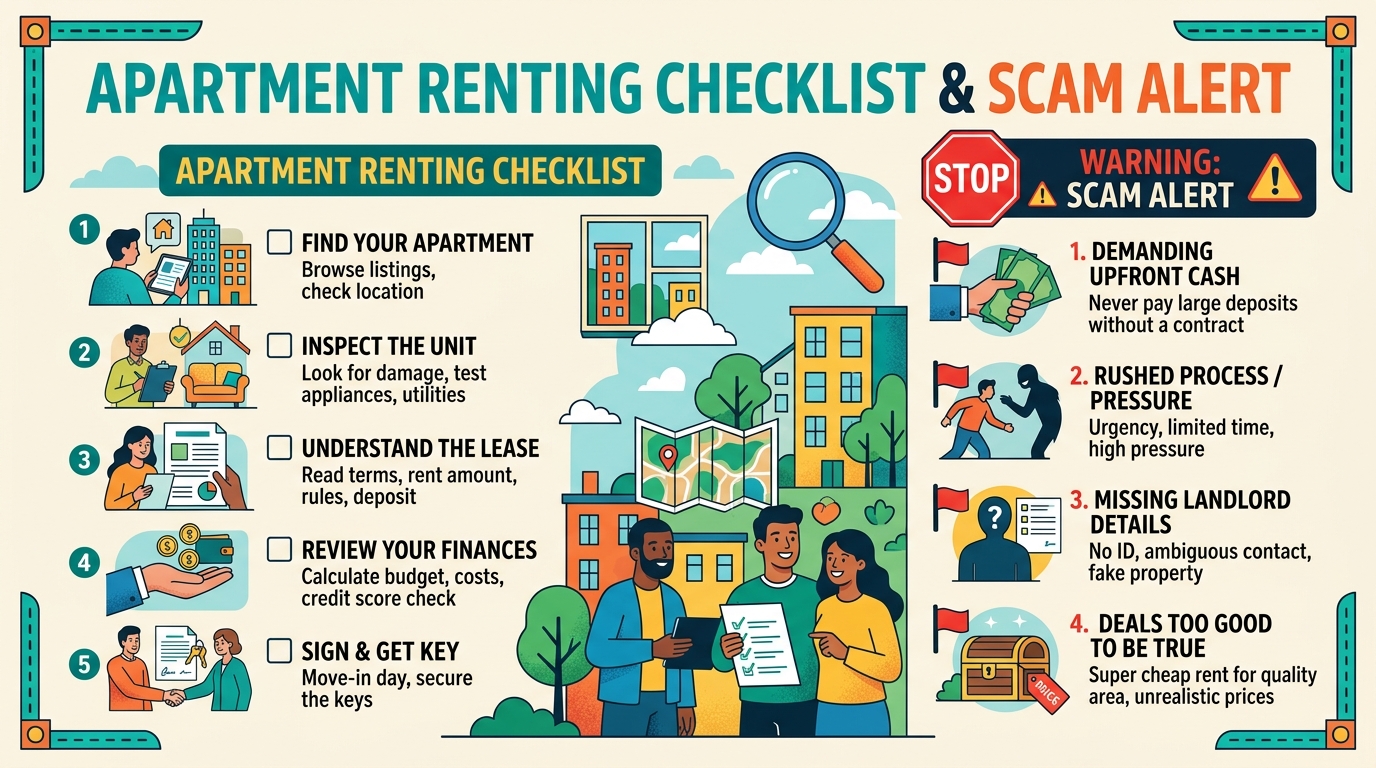
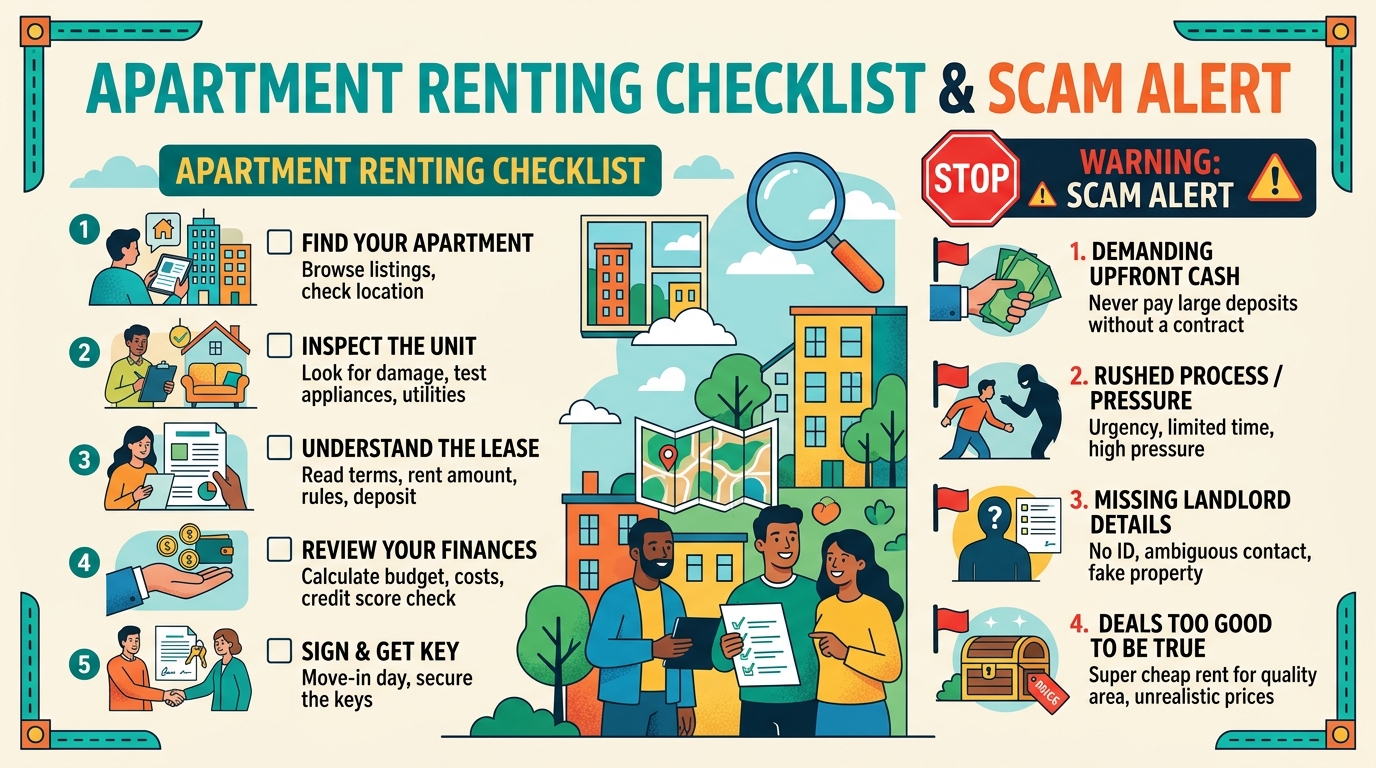
For decades, moving to a new city in India meant dealing with the exhausting cycle of finding a broker, negotiating a heavy 10-month deposit, dealing with difficult landlords, and spending lakhs to buy furniture and set up Wi-Fi. In recent years, a massive paradigm shift has occurred with the explosion of "Co-living Spaces" operated by heavily funded PropTech startups like Zolo, Stanza Living, Colive, and Settl. These platforms promise a plug-and-play, hassle-free lifestyle targeted directly at millennials and Gen Z. But is co-living actually better, or just an overpriced hostel? This comprehensive guide breaks down the financial, legal, and lifestyle differences between Co-living and Traditional Renting.
2. What Exactly is a Co-living Space?
Do not confuse modern co-living with traditional, dingy Paying Guest (PG) accommodations. Co-living spaces are professionally managed, fully furnished residential properties where individuals rent a bed (twin sharing) or a private room, but share common areas like the living room, kitchen, and sometimes bathrooms.
The defining feature of co-living is the "all-inclusive" model. The monthly fee typically covers the rent, electricity, high-speed Wi-Fi, daily housekeeping, DTH, and sometimes even daily meals and access to community events (like weekend parties or workshops organized by the startup).
3. Financial Comparison: The True Cost of Renting
When comparing costs, tenants often make the mistake of comparing the co-living fee directly against the base rent of a traditional apartment. This is mathematically incorrect. You must calculate the Total Cost of Ownership (TCO).
The Traditional Renting Cost
If you rent an unfurnished 2BHK with a friend for ₹30,000, your share is ₹15,000. However, you must also add:
- Brokerage (₹15,000 one time)
- Security Deposit Opportunity Cost (Interest lost on a ₹1.5 Lakh deposit)
- Furniture Purchase/Rental (₹3,000/month)
- Wi-Fi and Electricity (₹2,500/month)
- Maid/Cook (₹4,000/month)
- Setup hassle (time and stress)
Your true monthly outgo is significantly higher than just the ₹15,000 base rent.
The Co-living Cost
A private room in a premium co-living space might cost ₹22,000 per month. While this seems higher than the ₹15,000 base rent above, it includes zero brokerage, a very low security deposit (usually just 1 or 2 months), fully furnished interiors, Wi-Fi, electricity, and housekeeping. When you factor in all the hidden costs of traditional renting, co-living often breaks even or is only marginally more expensive, but offers infinitely more convenience.
4. Flexibility and Lock-in Periods
This is where co-living spaces truly shine for young professionals with unpredictable careers.
Traditional Renting: Usually demands a rigid 11-month contract with a strict 6-month lock-in period. If you quit your job and need to leave the city in month 4, the landlord will legally forfeit your massive security deposit.
Co-living: Designed for extreme mobility. Most platforms offer highly flexible contracts with lock-in periods as short as 1 or 3 months. Furthermore, if you are transferred to a different city, major co-living operators allow you to transfer your lease seamlessly to their property in the new city without losing your deposit.
5. Privacy and Community Lifestyle
The choice between the two models heavily depends on your personality.
Traditional Renting: Offers absolute privacy. You choose your flatmates, you control who enters your house, and you establish your own rules. It is ideal for introverts, couples, or people who value deep quiet and personal space.
Co-living: Built around the concept of community. You will be sharing spaces with strangers (who are vetted by the platform). The platforms actively encourage socialization by organizing movie nights, networking events, and gaming tournaments in the common lounges. This is fantastic for newcomers to a city looking to make friends instantly, but it can be exhausting if you crave total isolation.
6. The Dark Side of Co-living: Legal and Practical Risks
While the marketing is slick, co-living has its unique set of problems that tenants must be aware of.
- Hidden Deductions: Read the fine print carefully. Many co-living startups have notorious "onboarding" or "offboarding" fees. They might deduct ₹5,000 from your deposit for "deep cleaning and repainting" when you leave, regardless of how clean you kept the room.
- Customer Service Nightmares: If the AC breaks down or the Wi-Fi stops working, you are reliant on the startup's ticketing system. Unlike a traditional landlord who might fix it locally the next day, corporate ticketing systems can sometimes take weeks to resolve basic maintenance issues.
- Lack of Control: You cannot choose your flatmates in a shared co-living setup. If the platform assigns you a noisy or unhygienic roommate, resolving the conflict through the corporate management can be highly bureaucratic and frustrating.
7. Conclusion
Co-living spaces are not a scam, nor are they a perfect utopia. They are a highly efficient, convenience-optimized housing solution tailored for a specific demographic: highly mobile, single professionals who prioritize zero-hassle living and networking over absolute privacy and long-term financial optimization. Traditional renting remains the undisputed champion for families, couples, and individuals putting down permanent roots in a city who want total control over their environment.
9. The Future of Co-living in India
Despite the operational challenges, co-living is not a passing fad. As property prices continue to rise beyond the reach of entry-level salaries, and as the gig economy fosters a more nomadic workforce, the demand for flexible, all-inclusive housing will only accelerate. We expect to see co-living operators diversify into niche segments, such as premium executive co-living for senior professionals, family-oriented co-living campuses with built-in daycares, and eco-friendly sustainable co-living spaces for the environmentally conscious tenant.
8. Frequently Asked Questions (FAQs)
Q: Are co-living spaces safe for single women?
A: Generally, yes. Premium co-living spaces heavily market their safety features, which include 24/7 CCTV in common areas, biometric access controls, and background-verified staff. Many platforms also offer female-only buildings or floors.
Q: Can couples rent a room in a co-living space?
A: Yes, many modern co-living platforms have evolved from their "bachelor pad" origins and now offer dedicated private studios or larger rooms specifically designed for couples, providing the co-living convenience with full privacy.
Q: What happens if the co-living startup goes bankrupt?
A: This is a legitimate risk (as seen during the pandemic). If the startup goes bankrupt, the primary landlord (the building owner) will legally reclaim the property, and you will have to vacate. Recovering your security deposit from a bankrupt startup is an extremely difficult legal battle.