Smart Renting Starts Here.
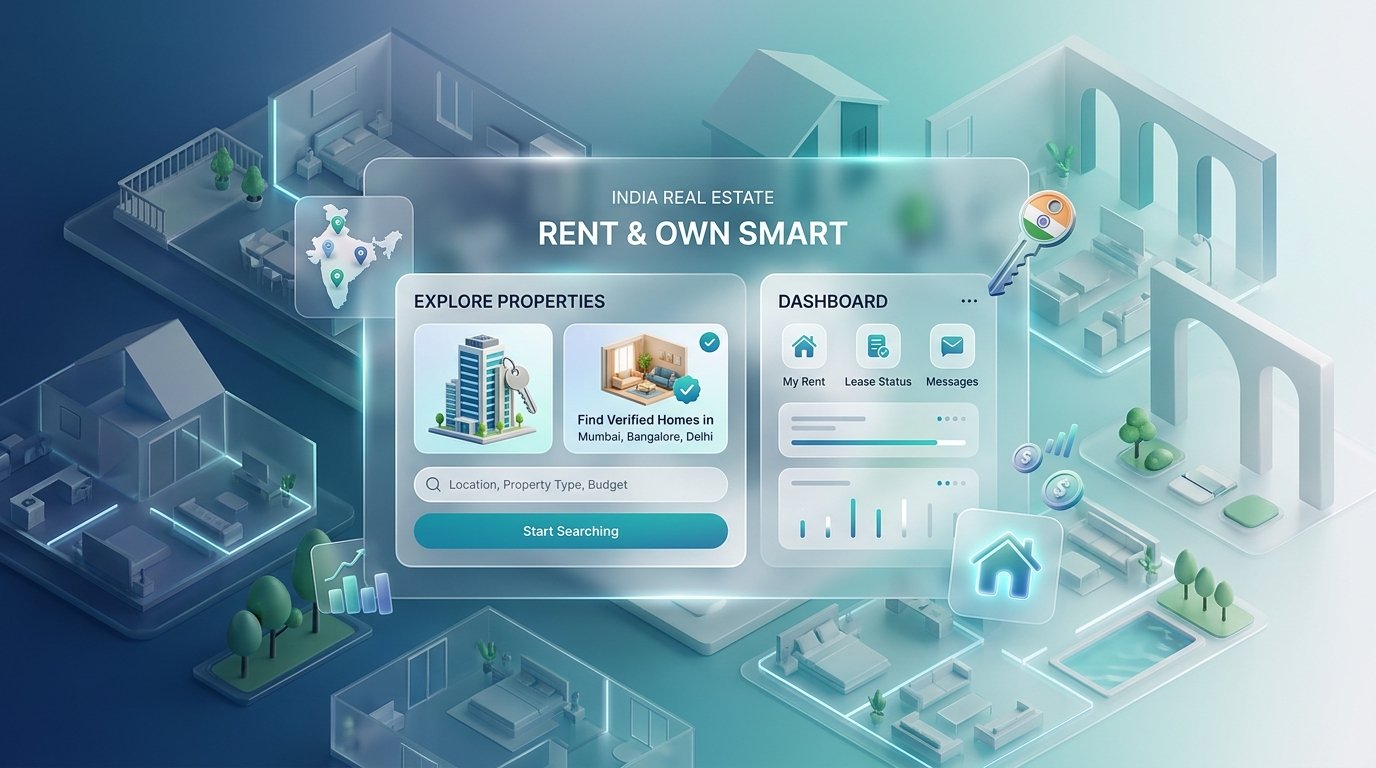
Empowering landlords and tenants with free rental calculators, document generators, and verified guides. Free, private, and instant.
12
Financial Calculators
10
Document Generators
6
Interactive Checklists
100%
Free & Private
Find, Compare & Decide on Rentals
From multi-portal discovery to true cost side-by-side comparison and day-1 lease decision reports.
Decision Report
Should I Rent This Flat?360° practical report analyzing Advertised vs True Monthly Cost, refundable deposit vs sunk move-in cash, commute time, and lease verification checklist.
Property Search Hub
Multi-Portal DiscoveryDefine your location, budget, and BHK preferences once to launch targeted discovery across NoBroker, Housing.com, 99acres, and MagicBricks.
Shortlist Analyzer
Side-by-Side CompareCompare 2 to 3 properties side-by-side on True Effective Monthly Cost, Day-1 Move-in Cash, commute hours, and multi-year stay amortizations.
Explore Our Top Tools
Whether you are moving in, renewing a lease, or moving out—we have the exact mathematical tool and legal document you need.
The Ultimate Guide to Renting in India
Everything you need to know about the Model Tenancy Act, Agreements, and avoiding Frauds.
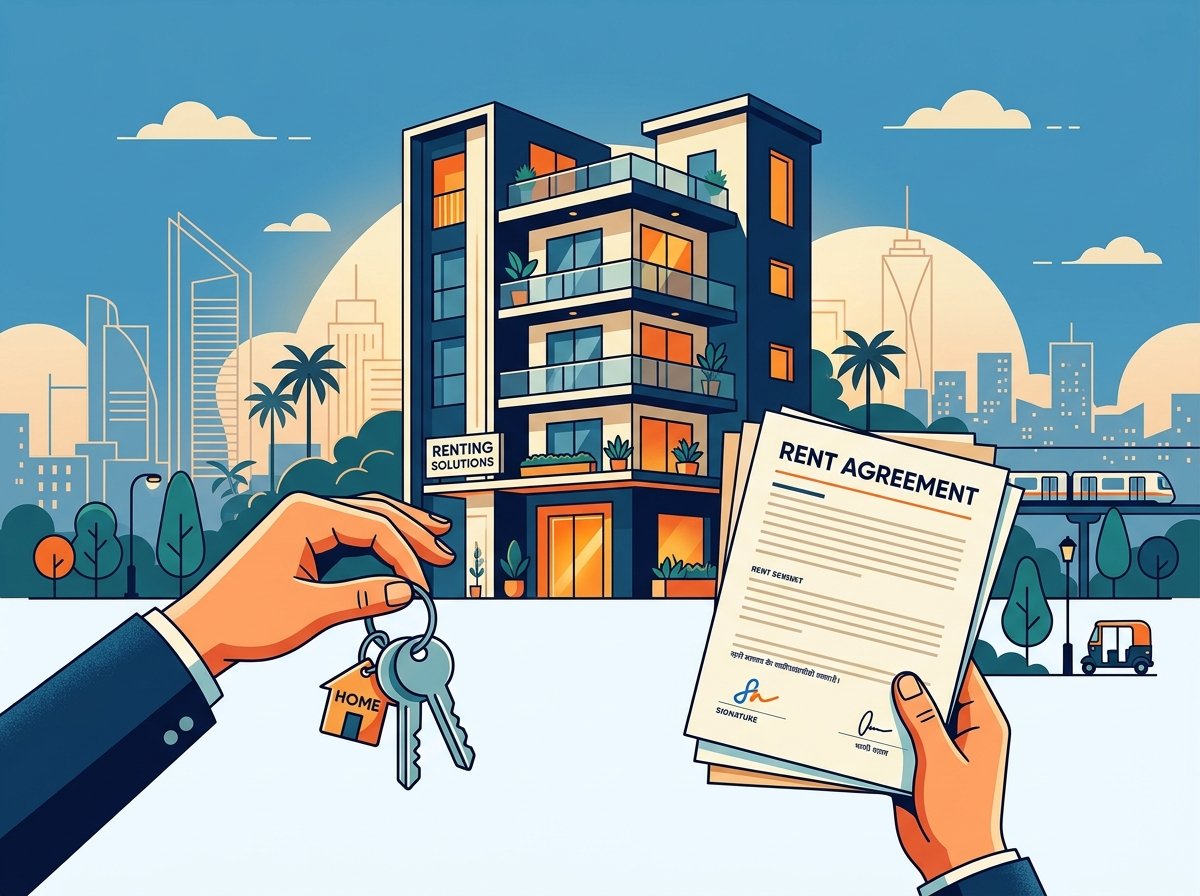
Introduction: The Modern Era of Renting in India
Navigating the rental landscape in India can often feel like traversing a complex maze. With a rapidly growing urban population, the demand for quality rental housing has skyrocketed, transforming the real estate sector across the country. Whether you are a young professional relocating to a bustling metropolis for a new job, a student seeking accommodation near an educational hub, or a landlord looking to monetize your property, understanding the nuances of renting in India is absolutely crucial. This comprehensive guide is designed to demystify every aspect of the renting process, from decoding the legalities of the Model Tenancy Act to safeguarding yourself against prevalent rental scams. We will delve deep into the rights and responsibilities of both tenants and landlords, ensuring a harmonious and legally sound rental experience for all parties involved.
The Indian rental market is incredibly diverse, characterized by a mix of traditional practices and modern regulatory frameworks. In the past, the landlord-tenant relationship was largely informal, often leading to disputes and grievances due to the absence of clear guidelines. However, with the introduction of progressive legislations like the Model Tenancy Act, the paradigm is shifting towards a more structured and transparent system. This shift aims to balance the scales, protecting the interests of both property owners and occupants, and fostering a rental environment based on mutual respect and legal compliance.
This ultimate guide will serve as your indispensable companion, equipping you with the knowledge required to make informed decisions. We will explore the distinct dynamics of renting in Tier 1 versus Tier 2 cities, providing insights into market trends and expectations. Furthermore, we will break down the crucial elements of a rental agreement, explaining the rationale behind the ubiquitous 11-month contract. Whether you are drafting an agreement, managing security deposits, or filing your income tax returns, this article will walk you through each step meticulously. So, let us embark on this detailed journey to master the art of managing rentals in India.
1. The Landscape of Renting in India: Tier 1 vs. Tier 2 Cities
The rental experience in India varies significantly depending on geographical location, primarily categorized into Tier 1 and Tier 2 cities. These classifications not only dictate the cost of living but also influence the types of properties available, tenant demographics, and the overall rental culture.
The Hustle of Tier 1 Cities
Tier 1 cities, including Mumbai, Delhi, Bengaluru, Chennai, Hyderabad, and Pune, represent the epicenters of economic activity, technological innovation, and employment opportunities in India. Consequently, they attract a massive influx of migrants, driving a robust and highly competitive rental market.
- High Demand and Premium Rents: The sheer volume of people seeking housing in these metropolises leads to astronomical rental prices, particularly in prime locations and business districts. In cities like Mumbai, even modest apartments command premium rates.
- Types of Accommodations: The housing landscape is incredibly varied, ranging from high-rise luxury apartments in gated communities with state-of-the-art amenities to co-living spaces, paying guest (PG) accommodations, and standalone independent houses. Co-living, in particular, has emerged as a popular choice among millennials and Gen Z for its affordability and community aspect.
- Professional Property Management: Given the scale of the market, a significant portion of rental properties are managed by professional property management companies or specialized brokers, bringing a degree of formalization to the process, though often at the cost of high brokerage fees.
- Fast-Paced Turnover: The transient nature of the workforce in Tier 1 cities results in high tenant turnover rates. Rental agreements are strictly adhered to, and landlords are generally stringent about background checks and financial stability.
The Emerging Potential of Tier 2 Cities
Tier 2 cities such as Ahmedabad, Jaipur, Chandigarh, Lucknow, Kochi, and Indore are rapidly emerging as new economic hubs. Driven by government initiatives like Smart Cities, improved infrastructure, and the expansion of IT and manufacturing sectors, these cities are experiencing significant demographic shifts.
- Affordability and Larger Spaces: The most compelling advantage of renting in Tier 2 cities is affordability. Tenants can often secure substantially larger properties—such as independent villas or spacious multi-bedroom apartments—for a fraction of the cost they would incur in a Tier 1 city.
- A More Relaxed Pace: The rental market in these cities is relatively less aggressive. Landlord-tenant relationships tend to be more personal and informal, though this is gradually changing as the market professionalizes.
- Growing Infrastructure: As these cities develop, the quality of residential projects is improving, offering better amenities and planned neighborhoods, making them increasingly attractive to families and professionals seeking a better work-life balance.
- The Shift Towards Formalization: While traditionally informal, the influx of a white-collar workforce is prompting a shift towards formal rental agreements and standardized practices, aligning closer to the norms of Tier 1 cities.
2. A Detailed Breakdown of the Model Tenancy Act (MTA)
For decades, the rental housing sector in India was governed by antiquated rent control laws, which heavily favored tenants and discouraged landlords from renting out their properties due to fears of protracted litigation and inability to revise rents or evict occupants. To address these systemic issues and unlock the potential of vacant housing, the Government of India approved the Model Tenancy Act (MTA) in 2021.
The MTA is a comprehensive legislative framework designed to balance the rights and obligations of both landlords and tenants, establish a speedy dispute resolution mechanism, and formalize the rental market. It is important to note that the MTA is a "model" act, meaning state governments must adopt it, either by framing new laws or amending existing ones, to make it legally binding in their respective jurisdictions. Here is a detailed breakdown of its key provisions:
Establishment of Rent Authorities
One of the most significant features of the MTA is the mandate to establish an independent, three-tier mechanism for regulating tenancies and resolving disputes swiftly. This structure comprises:
- Rent Authority: An officer, not below the rank of Deputy Collector, appointed by the District Collector. All rental agreements must be registered with the Rent Authority within a specified timeframe. The Authority is responsible for providing a unique registration number and maintaining a digital platform for these records.
- Rent Court: Headed by an officer not below the rank of Additional Collector, the Rent Court handles disputes, grievances, and cases of non-compliance.
- Rent Tribunal: Headed by a District Judge or Additional District Judge, the Tribunal serves as the appellate body for decisions made by the Rent Court. This specialized judicial structure aims to remove rental disputes from the overburdened civil courts, ensuring rapid resolution—typically within 60 days.
Mandatory Written Agreements
The MTA strictly prohibits oral or informal tenancy arrangements. It mandates that every tenancy must be based on a written agreement, detailing the terms, rent, tenure, and conditions. Furthermore, this agreement must be mutually submitted to the Rent Authority, thereby creating a formal, legally enforceable record of the tenancy.
Cap on Security Deposits
A major point of contention between landlords and tenants has traditionally been the arbitrary demand for exorbitant security deposits, sometimes amounting to 10-12 months of rent in cities like Bengaluru. The MTA brings much-needed standardization by capping the security deposit:
- For Residential Premises: The security deposit cannot exceed two months' rent.
- For Non-Residential (Commercial) Premises: The security deposit cannot exceed six months' rent.
This provision significantly reduces the financial burden on tenants during the move-in process.
Clear Guidelines on Eviction
The Act clearly delineates the grounds on which a landlord can initiate eviction proceedings. These include:
- Non-payment of rent for two consecutive months.
- Misuse of the premises for illegal or commercial purposes (if rented for residential use).
- Carrying out structural alterations without the landlord's written consent.
- Sub-letting the property without authorization.
Importantly, a landlord cannot arbitrarily evict a tenant during the tenancy period if the tenant continues to comply with the agreement. If a tenant refuses to vacate after the agreement expires or is terminated, the landlord is entitled to claim double the rent for the first two months and four times the rent for any subsequent period.
Maintenance and Structural Repairs
The MTA clearly outlines the maintenance responsibilities. Generally, structural repairs and major maintenance fall under the landlord's purview, while day-to-day wear and tear and minor repairs are the tenant's responsibility, unless otherwise specified in the rental agreement. If a landlord fails to carry out necessary repairs, the tenant may undertake them and deduct the cost from the rent, subject to certain limits.
3. Tenant Rights: Ensuring Dignity and Fairness
While the rental market often feels skewed in favor of property owners, tenants possess robust legal rights designed to protect them from exploitation, harassment, and unjust eviction. Being aware of these rights is crucial for maintaining a healthy and dignified living situation.
The Right to Privacy
A tenant's right to privacy is paramount. Once a property is rented out, the tenant has the exclusive right to quiet enjoyment of the premises. A landlord cannot enter the rented property arbitrarily, unannounced, or without a valid reason. Under the Model Tenancy Act, a landlord must provide at least 24 hours of prior written notice (or electronic communication) before inspecting the premises or carrying out repairs. Furthermore, such visits should generally occur during reasonable hours (typically daytime) and not during late nights or early mornings, unless there is a genuine emergency like a fire or a burst pipe.
Protection Against Unjust Eviction
Arbitrary eviction is a significant concern for many tenants. The law provides substantial protection against this. A landlord cannot evict a tenant simply because they wish to or because they found someone willing to pay a higher rent, as long as a valid rental agreement is in place. Eviction can only occur on legally valid grounds, such as non-payment of rent, breach of contract, or illegal activities. Even when valid grounds exist, the landlord must follow due legal process, which involves serving a formal eviction notice providing adequate time for the tenant to rectify the issue or vacate. Forcible eviction tactics, such as cutting off water or electricity supply, are entirely illegal and punishable by law.
The Right to Essential Services
It is the fundamental right of every tenant to have access to basic essential services, including a consistent supply of electricity and clean water. A landlord cannot withhold or disconnect these utilities under any circumstances, even if there is a dispute regarding rent payment or other issues. If a landlord attempts to cut off essential services as a coercive measure, the tenant has the right to approach the Rent Authority or the local police for immediate intervention.
The Right to a Rent Receipt
Every tenant is legally entitled to receive a formal receipt for every payment made towards rent, maintenance, or security deposit. These receipts serve as crucial documentary evidence of payment and are vital for resolving disputes and claiming tax benefits like House Rent Allowance (HRA). The landlord is obligated to provide these receipts, and tenants should insist on receiving them promptly, either in physical or digital format.
4. Landlord Rights: Safeguarding Property and Income
Just as tenants are protected by law, landlords also possess fundamental rights intended to safeguard their property, ensure a steady rental income, and protect them from problematic occupants. A balanced rental ecosystem relies heavily on respecting the rights of property owners.
The Right to Timely Rent
The most basic expectation of a landlord is to receive the agreed-upon rent on time. The rental agreement should explicitly state the due date for rent payment (e.g., the 5th of every month) and the acceptable modes of transaction (bank transfer, cheque). If a tenant consistently fails to pay rent on time, the landlord has the right to charge late fees (if stipulated in the agreement) and, ultimately, initiate eviction proceedings for breach of contract.
The Right to Property Maintenance
While the landlord is generally responsible for major structural repairs, they have the right to expect that the tenant will maintain the property in a reasonable state of cleanliness and hygiene. The tenant is responsible for minor, day-to-day maintenance and must ensure that no deliberate damage is caused to the premises, its fixtures, or fittings. If substantial damage occurs due to the tenant's negligence, the landlord has the right to deduct the cost of repairs from the security deposit or demand compensation.
The Right to Conduct Background Checks
Before handing over the keys to a valuable asset, a landlord has the absolute right to conduct thorough background checks on prospective tenants. This includes verifying their identity, employment status, financial stability, and previous rental history. Landlords can request documents such as Aadhaar cards, PAN cards, employment letters, and bank statements to assess the tenant's credibility and ability to pay rent consistently.
The Right to Revise Rent
Landlords and tenants typically agree on periodic rent revisions to account for inflation and market dynamics. The terms and frequency of rent revisions should be clearly specified in the rental agreement (commonly 5–10% annually upon agreement renewal). Where the Model Tenancy Act (MTA) framework is adopted by state law, a three-month written notice prior to revision is recommended. In other jurisdictions, revision rules follow contractual terms and applicable state tenancy legislation.
5. Drafting a Residential Rental Agreement
A rental agreement or leave and license agreement outlines the agreed terms, conditions, rights, and obligations of both parties. A well-drafted agreement is essential to document expectations and avoid disputes.
Understanding Tenancy Duration & Registration
Under Section 17 of the Registration Act, 1908, leases of immovable property for any term exceeding one year (12 months or more) are mandatorily registrable. As a common market practice in many Indian cities, agreements are frequently drafted for an 11-month duration to operate within this statutory threshold.
However, registration and stamp-duty requirements depend on the agreement term, document type, and applicable state laws (for instance, Maharashtra mandates registration for all leave and license agreements irrespective of tenure). Users should verify current stamping and registration rules with their relevant local registration authority.
Crucial Clauses Every Agreement Must Have
To ensure a watertight and comprehensive rental agreement, the following clauses must be meticulously detailed:
- Details of Parties and Property: The full names, permanent addresses, and contact details of both the landlord and the tenant. Additionally, a precise description of the rented property, including its full address and a list of provided fixtures and appliances, should be documented.
- Rent, Deposit, and Maintenance: The exact monthly rent amount, the due date for payment, and the mode of payment. The agreement must explicitly state the security deposit amount and the conditions under which deductions can be made. It should also clarify who bears the cost of society maintenance charges, water bills, electricity bills, and property taxes.
- Lock-in Period and Notice Period: The lock-in period defines the minimum duration for which the tenant cannot vacate the property, and the landlord cannot evict the tenant, without incurring a penalty (usually equivalent to the rent of the remaining lock-in months). The notice period specifies how far in advance either party must inform the other before terminating the agreement (typically one to two months).
- Repairs and Maintenance Responsibilities: A clear demarcation of who handles what. Usually, structural issues are the landlord's domain, while minor fixes are the tenant's responsibility.
- Sub-letting and Use of Premises: A clause explicitly prohibiting the tenant from sub-letting the property to a third party without the landlord's written consent. It should also stipulate that residential properties cannot be used for commercial activities.
- Pet Policy: If the tenant has pets or plans to get them, the agreement must clearly state the landlord's policy on pets to avoid future conflicts.
6. Navigating Security Deposits and Avoiding Deductions
The security deposit is a sum of money held by the landlord as a safeguard against potential damages to the property or unpaid dues by the tenant. While intended for protection, it is often a significant source of friction at the end of a tenancy. Understanding how to manage this aspect is vital for a smooth exit.
Understanding "Wear and Tear" vs. Damage
The most common dispute revolves around the definition of "normal wear and tear" versus actual "damage." Normal wear and tear refers to the expected, inevitable deterioration that occurs over time with the regular and reasonable use of a property. This includes slight fading of paint, minor scuff marks on the floor, or the gradual loosening of door handles. A landlord cannot legally deduct money from the security deposit for normal wear and tear.
Damage, on the other hand, implies negligence, carelessness, or deliberate destruction caused by the tenant. Examples include broken windows, large holes in the walls, deeply stained carpets, or broken appliances that were provided in working condition. Landlords have the right to deduct the exact cost of repairing such damages from the deposit.
Strategies to Ensure a Full Refund
- The Move-In Inventory and Inspection: Before moving your belongings into the property, conduct a thorough joint inspection with the landlord. Document the condition of every room, appliance, and fixture. Take clear, timestamped photographs and videos of any existing damage, stains, or malfunctions. Create an inventory list and have both parties sign it. This serves as baseline evidence.
- Prompt Communication: If an appliance breaks or a leak develops during your tenancy, notify the landlord immediately in writing. Do not attempt major DIY repairs if you are not qualified, as botched repairs can be classified as damage.
- Regular Maintenance: Keep the property clean and well-maintained. Perform minor upkeep tasks, such as replacing fused bulbs or unclogging drains, to prevent larger issues from developing.
- The Move-Out Process: Before handing over the keys, ensure the property is thoroughly cleaned. Some agreements mandate that the tenant must paint the property before leaving, or the landlord will deduct a fixed "painting charge." Read your agreement carefully regarding this. Conduct a final joint inspection with the landlord to review the property's condition against the initial move-in inventory. Request a written breakdown of any proposed deductions.
7. Police Verification: A Legal and Security Mandate
Tenant police verification is not merely a formality; it is a crucial legal requirement in many Indian states and cities, and a fundamental security measure for landlords. It involves submitting the tenant's details to the local police station to check for any criminal background or adverse records.
Why is it Mandatory?
The primary objective of police verification is to prevent criminals, absconders, or individuals with malicious intent from using rental properties as hideouts or bases for illegal activities. By ensuring that only verified individuals reside in a neighborhood, it enhances the overall safety and security of the community. In many jurisdictions, under Section 188 of the Indian Penal Code, failure to conduct tenant police verification is a punishable offense for the landlord, potentially leading to imprisonment or hefty fines.
The Verification Process
The process can generally be completed either offline or online, depending on the state's police department infrastructure.
- Offline Process: The landlord and tenant must fill out a specific tenant verification form available at the local police station or downloadable from the police department's website. This form requires detailed information, including previous addresses, employment details, and permanent address. The completed form, along with passport-sized photographs, identity proof (Aadhaar, PAN), and a copy of the rental agreement, must be submitted physically to the police station having jurisdiction over the rented property.
- Online Process: Recognizing the need for convenience, many state police departments (such as Delhi, Maharashtra, and Karnataka) have introduced online portals or mobile applications for tenant verification. Landlords can register on these platforms, upload the required details and scanned documents of the tenant, and submit the application digitally. An acknowledgment receipt is usually generated instantly, and the physical verification is conducted by the police subsequently.
While the legal onus is on the landlord to initiate the verification, tenants must cooperate fully by providing accurate information and authentic documents.
8. Beware of Rental Scams: Protecting Your Hard-Earned Money
The surge in online property portals and social media groups dedicated to housing has unfortunately also given rise to sophisticated rental scams. Fraudsters exploit the desperation of individuals seeking housing, particularly in high-demand Tier 1 cities, to swindle them out of significant sums of money.
The "Fake Owner" on Property Portals
This is arguably the most common and devastating scam prevalent on platforms like NoBroker, MagicBricks, and Facebook Marketplace. The modus operandi is remarkably consistent:
- The Bait: A scammer lists a highly attractive property—beautiful pictures (often stolen from other listings or the internet), prime location, and a surprisingly low, almost unbelievable rent.
- The Hook: When an interested tenant contacts the "owner," the scammer usually claims to be out of the city, frequently posing as an army officer, an NRI, or someone dealing with a family emergency, making an immediate in-person meeting impossible.
- The Trap: They create a sense of intense urgency, stating that many others are interested. To "reserve" the property or "facilitate" the key handover via a courier or a trusted friend, they demand an immediate token amount or advance deposit via UPI, GPay, or bank transfer.
- The Disappearance: Once the money is transferred, the scammer blocks the victim's number, deletes the listing, and disappears completely. The victim later discovers that the property either does not exist, belongs to someone else, or is already rented out.
How to Spot and Avoid Scams
- Too Good to Be True: If a property is significantly cheaper than the market average for that area and looks incredibly luxurious, treat it as a massive red flag. Conduct a reverse image search on the property photos to see if they are stolen from elsewhere.
- Never Pay Before Visiting: This is the golden rule of renting. Never, under any circumstances, transfer money—be it a token amount, deposit, or rent—before physically inspecting the property from the inside out and meeting the owner or their verified authorized representative face-to-face.
- Verify Ownership: Don't just take their word for it. Ask to see proof of ownership, such as the property tax receipt, electricity bill in their name, or the sale deed. Cross-check their identity document (Aadhaar/PAN) with the name on the property documents.
- Avoid Unnecessary Urgency: Legitimate landlords understand that renting is a significant decision and will not pressure you into transferring money immediately without due diligence. Walk away from anyone creating artificial urgency.
- Be Wary of "Army Officer" Claims: While unfortunate, scammers frequently impersonate military personnel to evoke trust and explain their inability to meet in person. Always verify such claims stringently.
9. Tax Implications: Mastering HRA, PAN, and Section 10(13A)
For salaried individuals, renting a property offers significant tax-saving opportunities through the House Rent Allowance (HRA) component of their salary structure. Understanding the tax rules is essential for maximizing these benefits and ensuring compliance.
Claiming House Rent Allowance (HRA)
Under Section 10(13A) of the Income Tax Act, salaried employees receiving HRA can claim tax exemption on the rent paid for their residential accommodation. To claim this exemption, the employee must actually be paying rent for a property that they occupy, and the property must not be owned by them. The amount of HRA exemption is calculated as the least of the following three amounts:
- The actual HRA received from the employer.
- Actual rent paid minus 10% of the basic salary (plus Dearness Allowance, if applicable).
- 50% of the basic salary if the employee resides in a metro city (Delhi, Mumbai, Chennai, Kolkata), or 40% if they reside in a non-metro city.
To process this claim, employers require documentary evidence. The tenant must submit the rental agreement and regular rent receipts. For tax purposes, an 11-month agreement is perfectly valid.
The Importance of the Landlord's PAN Card
If the annual rent paid by the tenant exceeds Rs. 1,00,000 (which translates to approximately Rs. 8,333 per month), it is mandatory to submit the landlord's Permanent Account Number (PAN) to the employer to claim the HRA exemption. This rule was instituted to bring rental income into the tax net and ensure landlords declare this income.
If the landlord does not possess a PAN card, they must provide a signed declaration to the tenant confirming the same, along with alternative identification. It is highly advisable to obtain the landlord's PAN details and include them in the rental agreement right at the beginning of the tenancy to avoid last-minute hurdles during tax filing season. If a landlord refuses to provide their PAN, it can severely jeopardize the tenant's ability to claim HRA benefits.
TDS on Rent Paid by Individuals
A crucial provision that tenants must be aware of is Section 194-IB of the Income Tax Act. If an individual (or HUF) pays a monthly rent exceeding Rs. 50,000, they are legally obligated to deduct Tax Deducted at Source (TDS) at the rate of 5% from the rent paid to the resident landlord. This deduction must be made once in a financial year, typically in the last month of the tenancy or the end of the financial year (March). The tenant must deposit this TDS with the government and issue a Form 16C to the landlord. Failure to deduct or deposit TDS can result in penalties for the tenant.
Conclusion: A Balanced Approach to Renting
Managing the renting process in India requires a blend of legal awareness, practical diligence, and clear communication. The landscape is evolving, moving away from informal, trust-based arrangements towards a more structured, legally defined environment, championed by frameworks like the Model Tenancy Act. For tenants, knowing their rights and the mechanics of agreements, security deposits, and tax benefits ensures a dignified, secure, and financially optimized living experience. It empowers them to protect themselves against unfair practices and devastating scams.
For landlords, understanding their rights and obligations is equally paramount. Conducting thorough background checks, adhering to police verification mandates, and drafting comprehensive, legally sound agreements protects their valuable assets and ensures a steady, hassle-free rental income. By respecting the delicate balance of rights and responsibilities, both landlords and tenants can contribute to a transparent, fair, and thriving rental ecosystem in India.
Get Rental Tips & Legal Updates
Join 50,000+ landlords and tenants who receive our weekly newsletter on property laws, HRA tax savings, and real estate trends.